



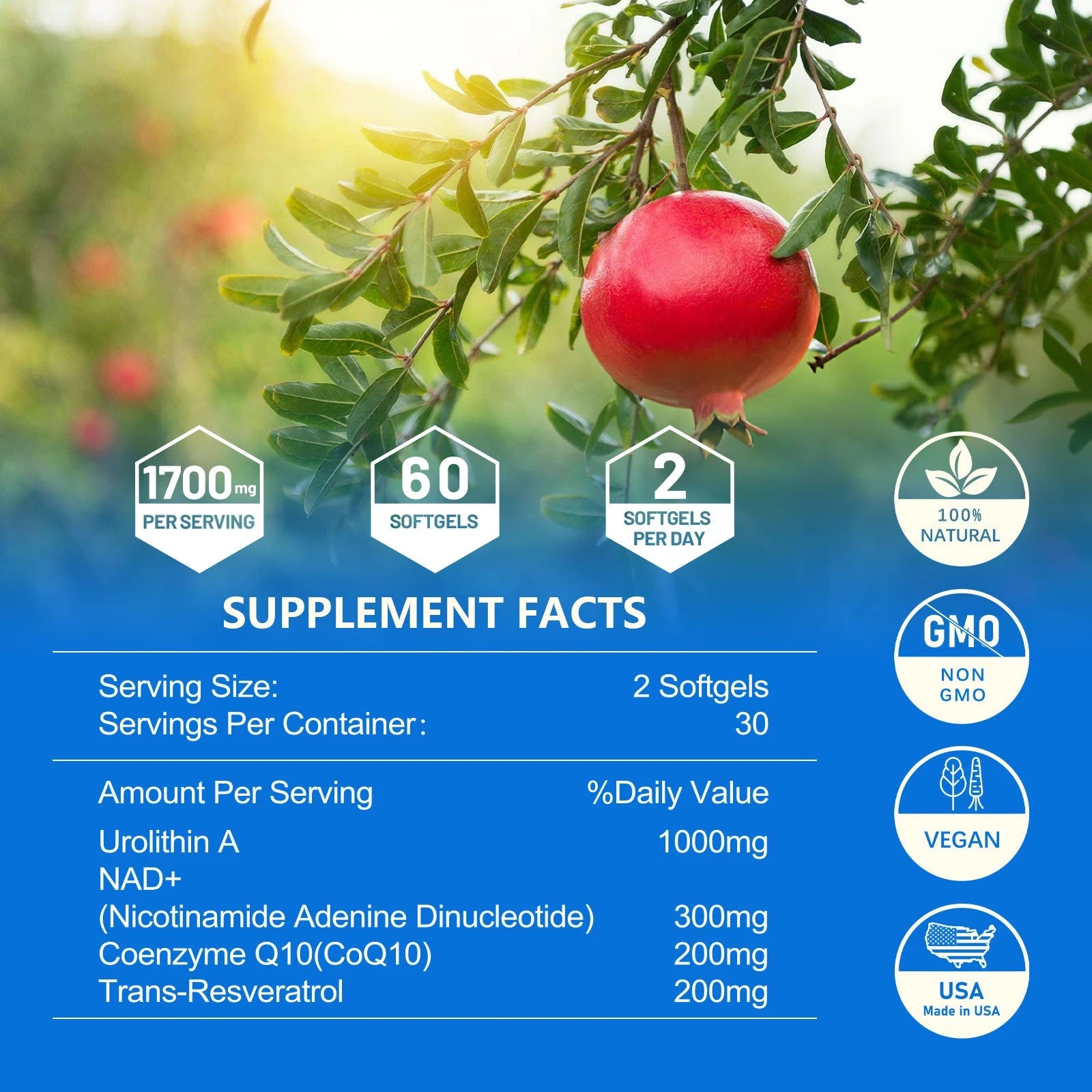



Health & Wellness
From the purity of nature to the precision of science, this journey toward vitality makes us want to embrace every sunrise with boundless energy.

NAD+ vs NMN: What's the Difference?
NAD+ is a coenzyme that cells use for energy metabolism and other essential processes. NMN is a precursor the body can use to make NAD+. Explore their biological relationship, differences in supplementation, and the limits of current human research.
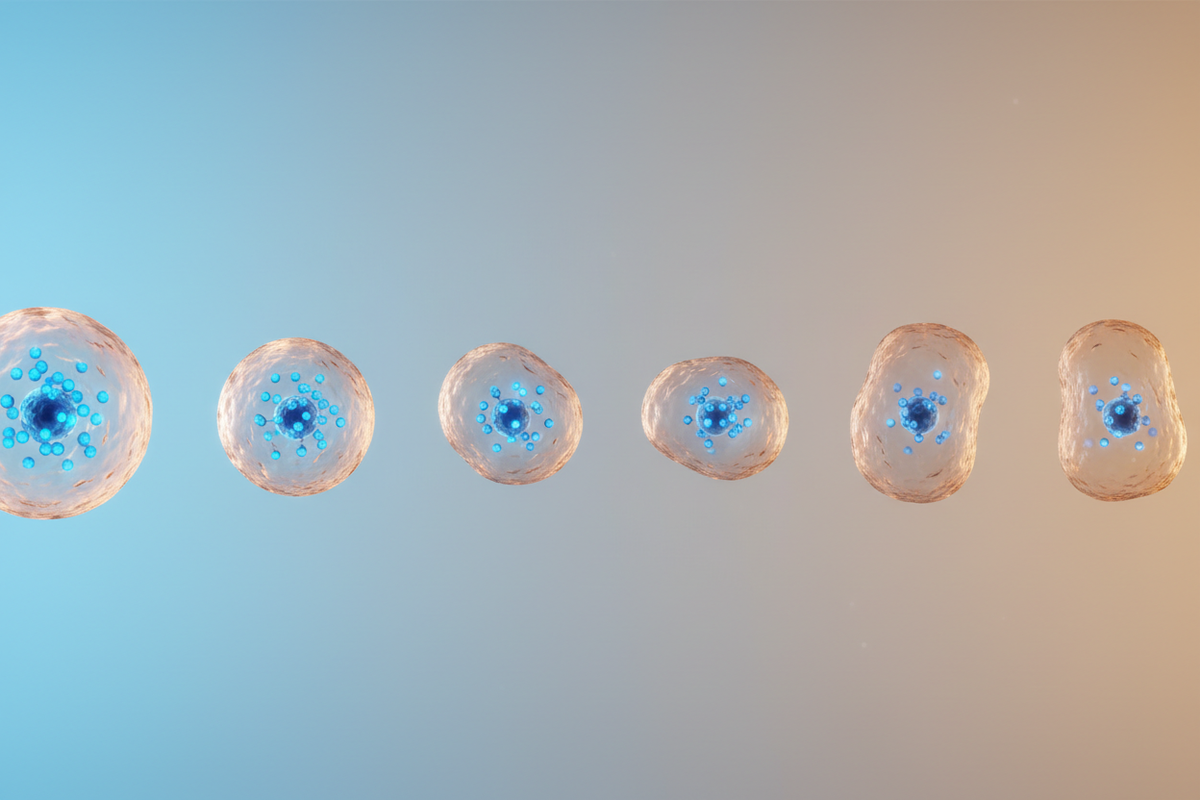
What Happens to NAD+ Levels as We Age?
NAD+ levels decline by up to 50% by middle age — driven by increased PARP and CD38 consumption, a slowing salvage pathway, and reduced biosynthesis. Learn why this matters for cellular health and what the science says about supporting NAD+ as we age.
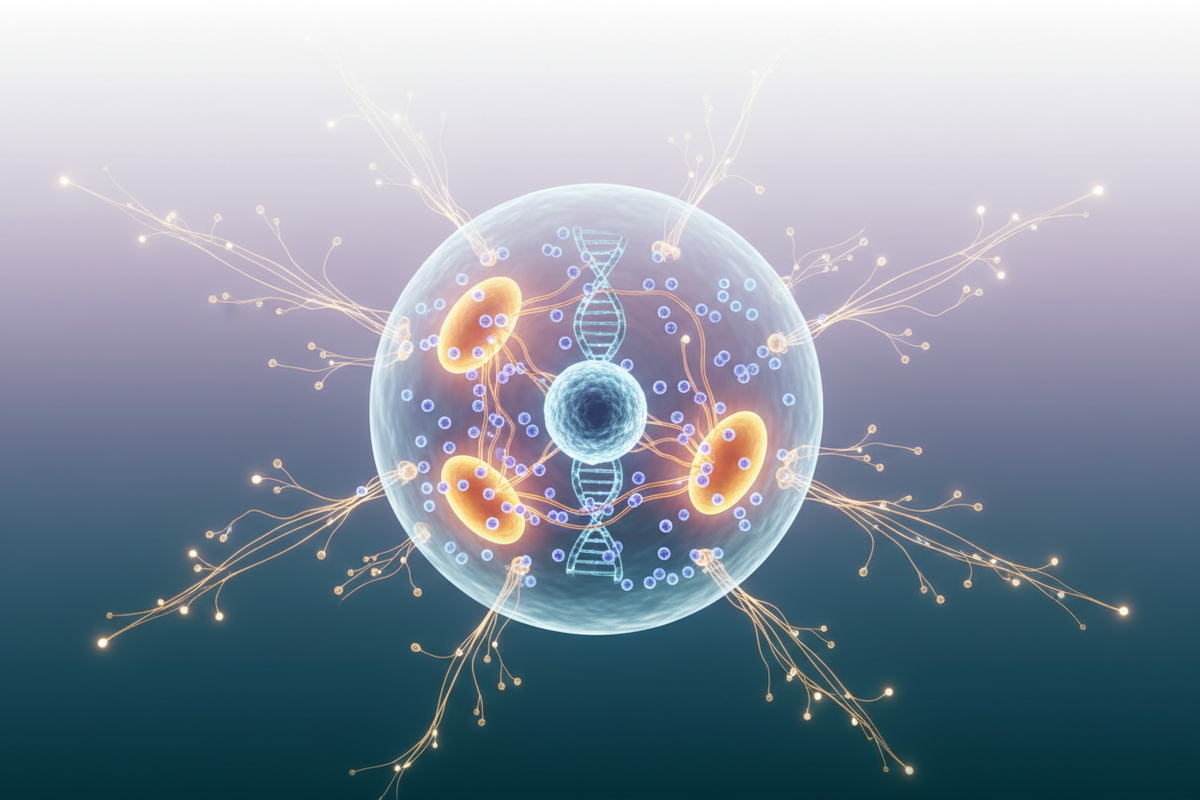
Why Is NAD+ Important for Cellular Health?
NAD+ is essential for every major aspect of cellular health — from ATP energy production and DNA repair to sirtuin activation and redox balance. Learn why its decline with age matters and what the science says about supporting it.
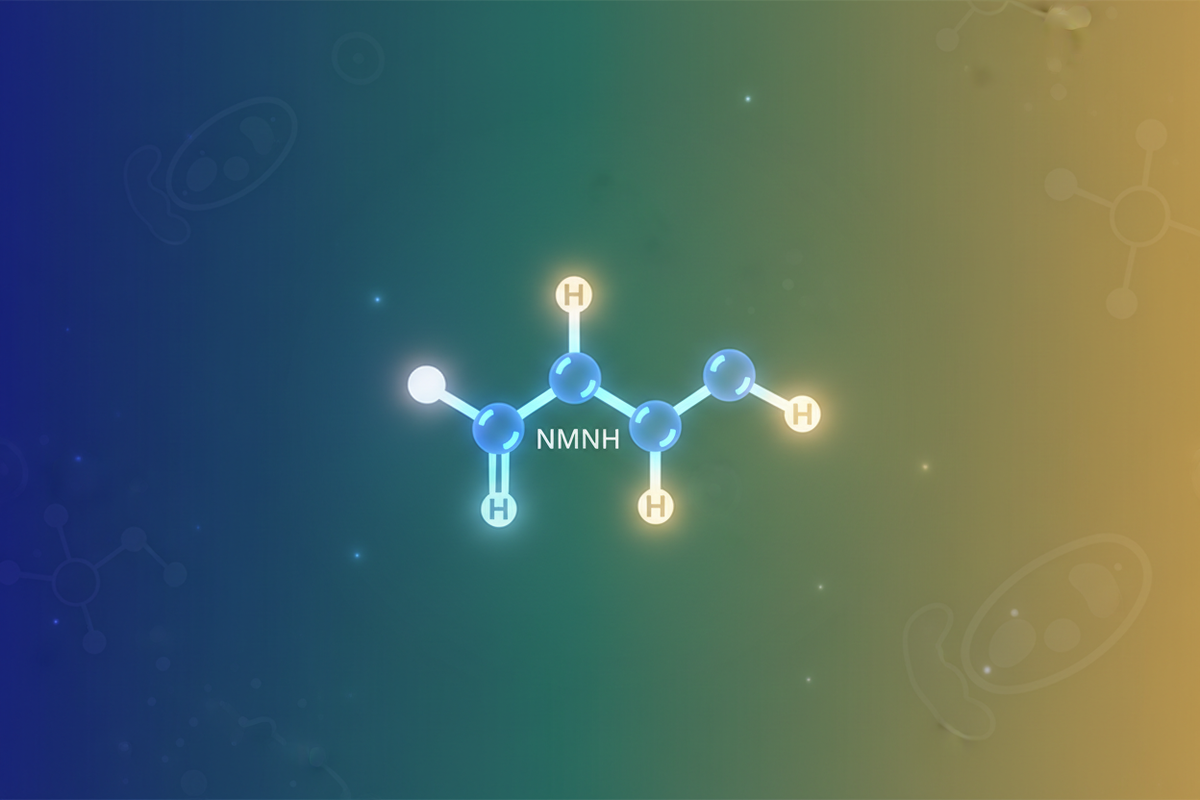
What Is NMNH?
NMNH (Reduced NMN) is a next-generation NAD+ precursor that’s more chemically stable and potentially faster-absorbing than standard NMN. Learn how it works, how it compares to NMN and NR, and what the emerging science says about this longevity ingredient.