








Health & Wellness
From the purity of nature to the precision of science, this journey toward vitality makes us want to embrace every sunrise with boundless energy.
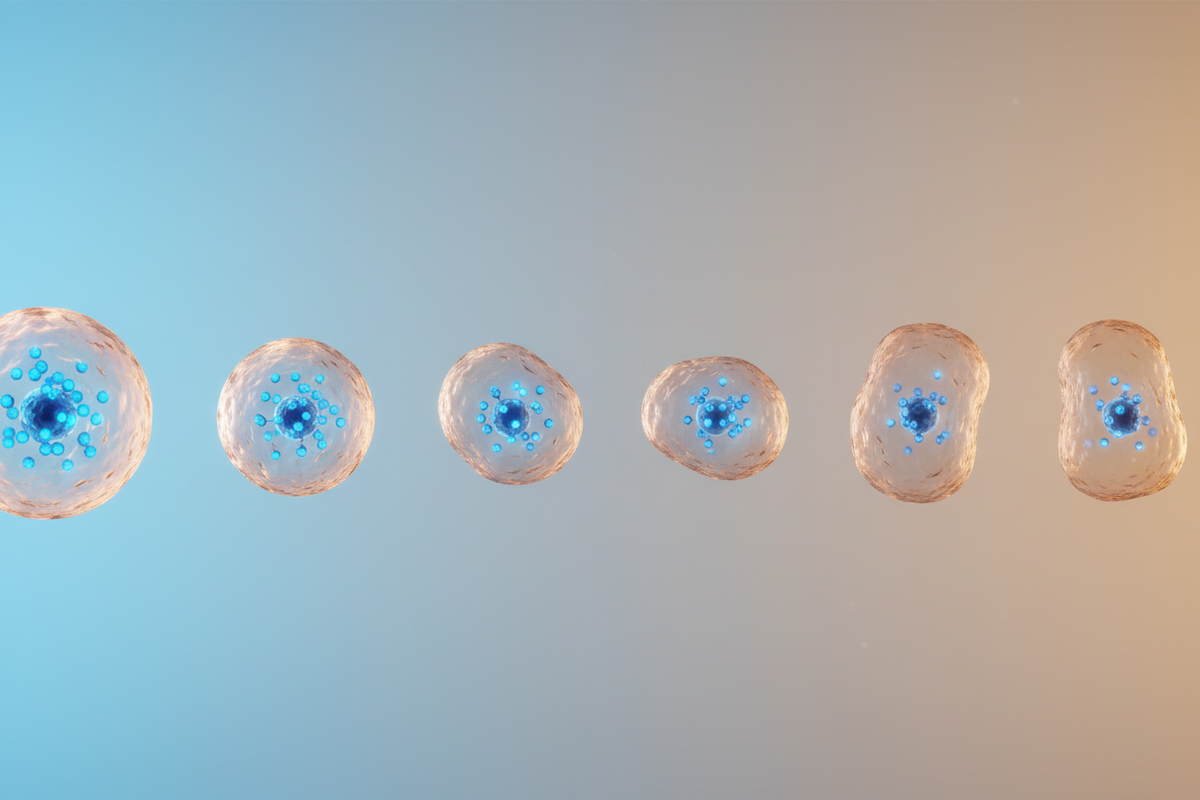
What Happens to NAD+ Levels as We Age?
NAD+ levels decline by up to 50% by middle age — driven by increased PARP and CD38 consumption, a slowing salvage pathway, and reduced biosynthesis. Learn why this matters for cellular health and what the science says about supporting NAD+ as we age.
What Is NMNH?
NMNH (Reduced NMN) is a next-generation NAD+ precursor that’s more chemically stable and potentially faster-absorbing than standard NMN. Learn how it works, how it compares to NMN and NR, and what the emerging science says about this longevity ingredient.
What Are the Benefits of NAD+?
NAD+ may support cellular energy, DNA repair, sirtuin activity, and metabolic function — but what does the research actually say? A balanced, compliance-conscious look at the potential benefits of NAD+ and its precursors NMN and NMNH.
What Does NAD+ Do in the Body?
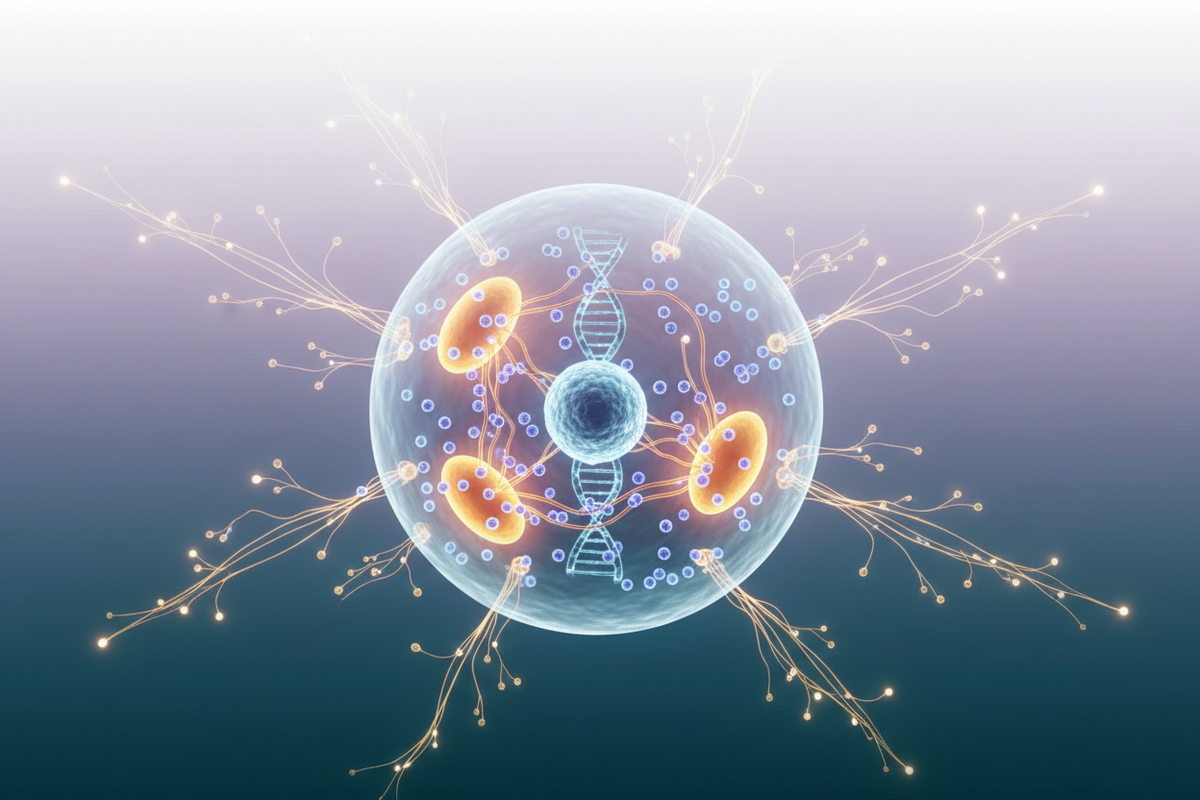
NAD+ participates in over 500 enzymatic reactions — powering cellular energy, metabolism, DNA repair, and cell signaling. Learn why it declines with age and how precursors like NMN and NMNH can help restore it.