





NAD+ vs NMN: What's the Difference?

NAD+ and NMN often appear in the same conversations about cellular energy and healthy aging. They are closely connected, but they are not interchangeable: NAD+ is a coenzyme cells use to perform essential functions, while NMN is a precursor the body can use to make NAD+.
That distinction matters when comparing their biology, interpreting research, and evaluating supplement claims. A molecule's role inside a cell does not automatically establish what happens when you take it as a supplement.
What Is NAD+?
NAD+ stands for nicotinamide adenine dinucleotide. It is a coenzyme found in living cells that participates in energy metabolism and serves as a substrate for several families of enzymes.
During metabolic reactions, NAD+ accepts electrons and becomes NADH. This cycling between NAD+ and NADH helps connect the breakdown of nutrients with the production of ATP, a major energy currency of the cell. NAD+ is not itself ATP, and taking an NAD+-related supplement should not be equated with receiving an immediate energy boost.
NAD+ is also consumed by enzymes involved in cellular maintenance and signaling. These include PARPs, which participate in DNA damage responses, and sirtuins, which help regulate metabolic and stress-response processes. These biological roles explain scientific interest in NAD+, but do not prove that supplementation improves those functions in people.
What Is NMN?
NMN stands for nicotinamide mononucleotide. It is a nucleotide involved in NAD+ biosynthesis, meaning the processes the body uses to produce NAD+.
In one important recycling pathway, the body converts nicotinamide, a form of vitamin B3, into NMN. Enzymes called nicotinamide mononucleotide adenylyltransferases, or NMNATs, then convert NMN into NAD+.
This makes NMN a building block for NAD+, rather than a substitute that performs all the same cellular jobs. The body also makes NAD+ through other pathways, using starting materials such as nicotinic acid and tryptophan.
NAD+ vs NMN: The Main Differences
1. Their Roles Are Different
NAD+ directly participates in metabolic reactions and is used by NAD+-consuming enzymes. NMN primarily serves as an intermediate in the production of NAD+. In simple terms, NAD+ is a working cellular coenzyme, and NMN is one of the materials used to build it.
2. NMN Is Smaller, but Size Does Not Establish Effectiveness
NAD+ contains two linked nucleotide units, while NMN contains one. Although NMN is the smaller molecule, this alone does not establish better absorption, greater tissue delivery, or superior clinical benefits. Digestion, metabolism, transport, formulation, and the tissue being studied all matter.
3. Taking Either Molecule Is Different From Making It Inside Cells
The presence of NAD+ or NMN on a supplement label does not mean the molecule reaches every cell intact. Extracellular processing and metabolism can change how either compound contributes to the body's NAD+ pool.
For NMN, proposed routes include conversion to other compounds before uptake and subsequent recycling into NAD+. The relative importance of different routes can depend on the tissue and experimental setting. It is therefore too simplistic to say that all swallowed NMN goes directly into cells and immediately becomes NAD+.
4. Research Findings Are Not Interchangeable
A study of NMN cannot establish the effectiveness of an oral NAD+ product. Likewise, research on another NAD+ precursor, such as nicotinamide riboside, does not automatically validate an NMN formulation. Route of administration also matters: oral supplements and intravenous NAD+ should not be treated as equivalent interventions.
Does NMN Increase NAD+ Levels?
Some small human trials have reported increases in blood NAD+-related measures after NMN supplementation. These findings suggest that NMN can influence NAD+ metabolism under studied conditions.
However, measurements in blood do not establish identical changes in the brain, muscles, liver, or other tissues. Results also depend on what was measured, the laboratory method, the study population, the dose, and the duration.
Most importantly, an increase in an NAD+-related biomarker is not the same as a demonstrated improvement in health or lifespan. Researchers must separately test whether a biological change leads to a meaningful clinical outcome.
What Does Human Research Show About Benefits?
Human NMN research includes relatively small, short-duration trials evaluating outcomes such as metabolic measures and physical performance. Some have reported improvements in selected outcomes, but the findings should not be generalized to everyone or to every product.
For example, a 2021 randomized trial in Science studied NMN in postmenopausal women with prediabetes who were overweight or obese. It reported an improvement in skeletal muscle insulin sensitivity under the study conditions. This was a specific result in a specific population, not evidence that NMN treats diabetes or broadly improves metabolism in all adults.
Preclinical studies have also explored NAD+ biology and aging. Animal and cell findings help generate hypotheses, but they do not establish that oral NAD+ or NMN extends human lifespan, reverses aging, or prevents age-related disease. Those claims are not established by the evidence discussed here.
Is NAD+ or NMN the Better Supplement?
There is no well-established universal winner. NMN has been investigated in human studies as an NAD+ precursor, but that does not establish superiority over every oral NAD+ formulation. Robust head-to-head evidence comparing specific products and meaningful health outcomes remains limited.
When evaluating a product, look beyond phrases such as “direct NAD+” or “advanced delivery.” Consider whether the evidence concerns the exact ingredient, dose, formulation, and route being sold. Independent quality testing can help assess identity and purity, but it does not by itself prove effectiveness.
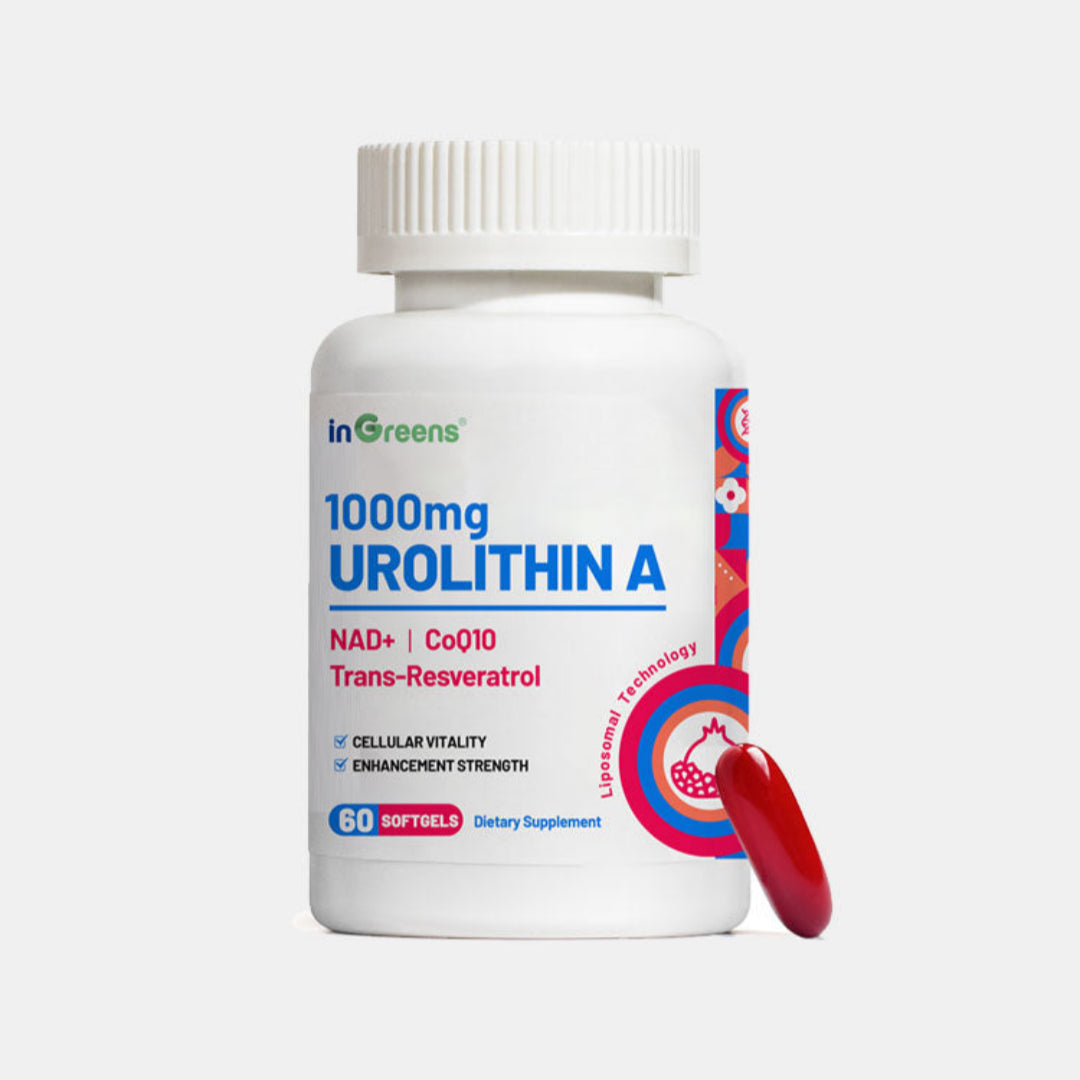
Liposomal labeling also should not be treated as proof of better results. A claim of improved absorption or clinical benefit needs evidence relevant to the actual formulation, rather than assumptions based on the delivery concept.
Safety and Practical Considerations
Some short-term NMN trials have reported acceptable tolerability in the adults studied. These findings do not establish long-term safety, suitability for every individual, or the safety of substantially higher doses.
Consult a qualified healthcare professional before using NAD+-related supplements, particularly if you take medications, have a medical condition, or are considering use during pregnancy or breastfeeding. Do not use these supplements as a replacement for prescribed care.
For everyday health, supplements should not displace established foundations such as regular physical activity, adequate sleep, balanced nutrition, and appropriate medical care.
Frequently Asked Questions
Are NAD+ and NMN the Same Thing?
No. NAD+ is a cellular coenzyme. NMN is a precursor that can be converted into NAD+ through the body's biosynthetic pathways.
Does NAD+ Contain NMN?
Structurally, NAD+ includes a nicotinamide-containing nucleotide portion linked to an adenine-containing nucleotide portion. However, that does not make NAD+ and NMN interchangeable ingredients or supplements.
Does Taking NMN Mean I Do Not Need NAD+?
Your cells still need NAD+. NMN is relevant because the body can use it to make NAD+, not because it replaces NAD+'s functions. Whether taking either supplement is useful for you is a separate question from their essential biological roles.
Can NAD+ or NMN Reverse Aging?
Human evidence has not established that oral NAD+ or NMN reverses aging or extends lifespan. Research on NAD+ metabolism is promising as a scientific field, but supplement claims should stay within the limits of human evidence.
The Bottom Line
The clearest way to understand NAD+ vs NMN is to separate the working molecule from its precursor: NAD+ helps power and regulate cellular processes, while NMN can contribute to NAD+ production.
That biological connection is well established. Whether a particular supplement delivers meaningful health benefits is a different question, requiring evidence for the product, population, and outcome being considered.
Selected Scientific References
Covarrubias AJ, Perrone R, Grozio A, Verdin E. NAD+ metabolism and its roles in cellular processes during ageing. Nature Reviews Molecular Cell Biology. 2021;22:119–141. doi:10.1038/s41580-020-00313-x.
Yoshino M, et al. Nicotinamide mononucleotide increases muscle insulin sensitivity in prediabetic women. Science. 2021;372:1224–1229. doi:10.1126/science.abe9985.
This article is for educational purposes only and is not medical advice. Statements about dietary supplements have not been evaluated by the Food and Drug Administration. Dietary supplements are not intended to diagnose, treat, cure, or prevent any disease.