






Health & Wellness
From the purity of nature to the precision of science, this journey toward vitality makes us want to embrace every sunrise with boundless energy.

NAD+ vs NR: What's the Difference?
NAD+ is a coenzyme involved in cellular energy metabolism and signaling. NR, or nicotinamide riboside, is a vitamin B3-related precursor the body can use to make NAD+. Learn how they differ and why raising a biomarker is not the same as proving a health benefit.

NAD+ vs NMN: What's the Difference?
NAD+ is a coenzyme that cells use for energy metabolism and other essential processes. NMN is a precursor the body can use to make NAD+. Explore their biological relationship, differences in supplementation, and the limits of current human research.
What Happens to NAD+ Levels as We Age?
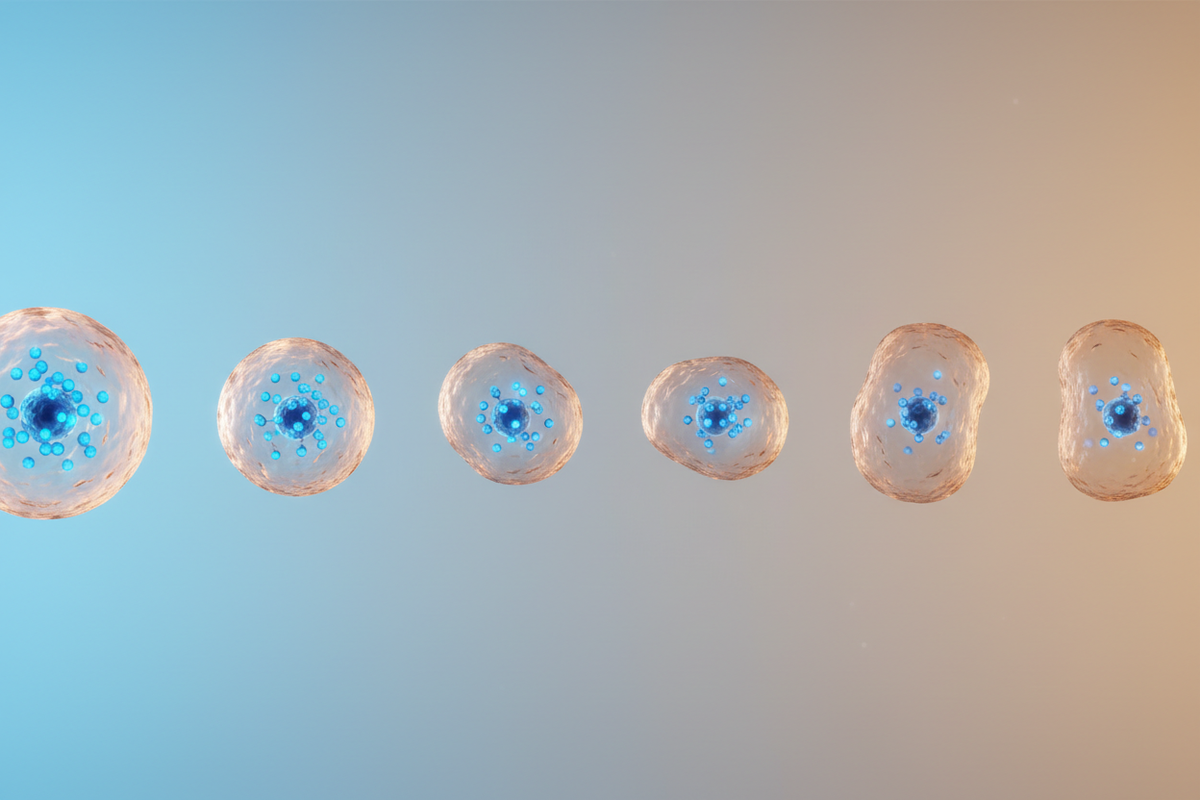
NAD+ levels decline by up to 50% by middle age — driven by increased PARP and CD38 consumption, a slowing salvage pathway, and reduced biosynthesis. Learn why this matters for cellular health and what the science says about supporting NAD+ as we age.
Why Is NAD+ Important for Cellular Health?
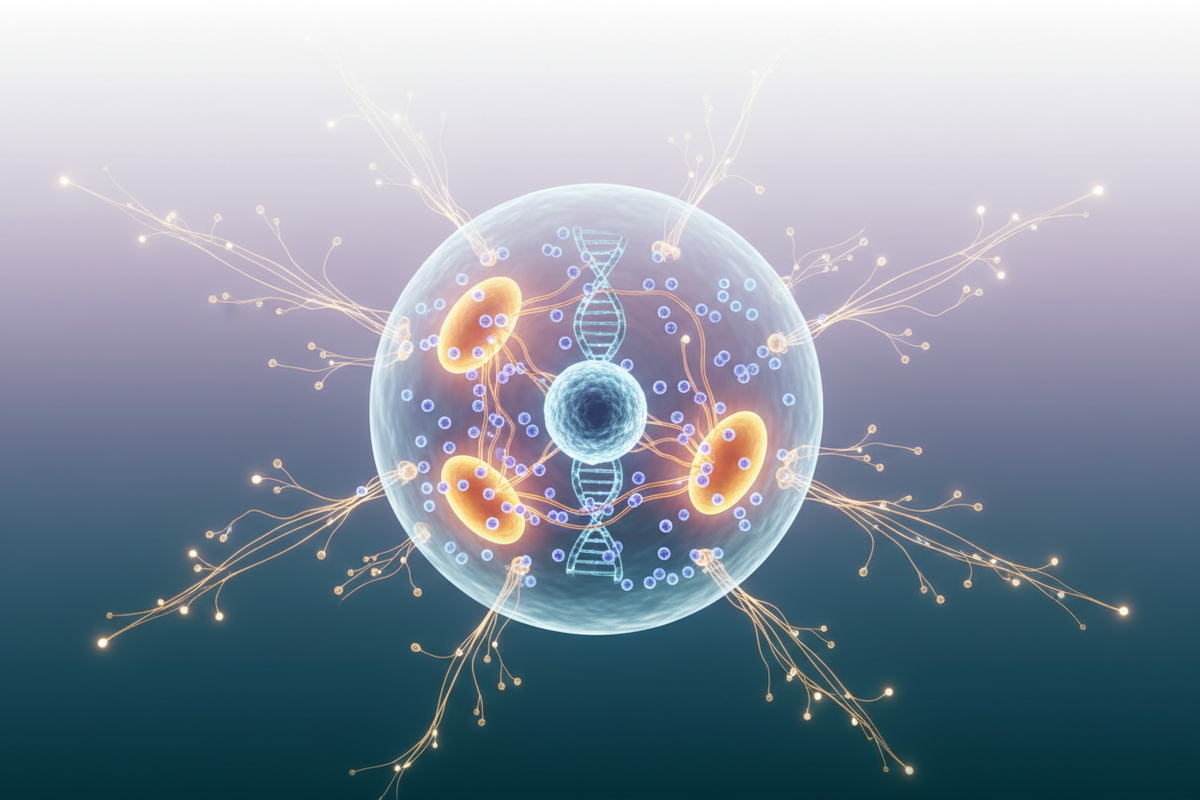
NAD+ is essential for every major aspect of cellular health — from ATP energy production and DNA repair to sirtuin activation and redox balance. Learn why its decline with age matters and what the science says about supporting it.