





Mitochondrial Health and Active Aging

Why Everyday Movement, Strength, and Healthy Habits Matter
Aging has a way of making the little things feel more important. Taking the stairs without stopping, carrying groceries in from the car, enjoying a long walk, or getting up from a chair with ease—these everyday abilities are a big part of what it means to stay active as we get older.
That is one reason mitochondrial health has become such an interesting topic in healthy aging research.
You may have heard mitochondria described as the “powerhouses” of our cells. The nickname is familiar, but the science is more interesting than that. Mitochondria help cells turn nutrients into usable energy, and they are involved in several processes that help cells respond to the demands placed on them.
So where does this leave us in practical terms? Does taking care of mitochondrial health mean following a special diet, adding a supplement, or spending more time at the gym?
The most useful answer starts with something less complicated: how we move and care for our bodies day to day.
Why Mitochondria Matter as We Get Older
Mitochondria are found in nearly all types of human cells. They are especially important in tissues that have high energy demands, such as skeletal muscle and the heart.
Think about what your muscles do throughout the day. Walking, climbing stairs, carrying a bag, gardening, and getting out of a chair all require energy. Mitochondria help supply that energy by supporting the production of ATP, the molecule cells use to power many essential functions.
Mitochondria also take part in cellular signaling and metabolic regulation. They are not simply tiny batteries that run until they wear out. They are active structures that adapt, change, and undergo regular maintenance.
As we age, some aspects of mitochondrial function and maintenance can change. Researchers are studying these changes because they may be connected with muscle performance, physical endurance, and other aspects of healthy aging.
It is worth remembering that aging looks different from person to person. Physical activity, nutrition, health conditions, genetics, and many other factors all play a part. A birthday alone does not tell the whole story.
The Case for Keeping Your Body Moving
One of the more encouraging parts of aging research is that the body remains responsive to activity.
Exercise asks muscles to meet an energy demand. Over time, regular training can lead to adaptations in skeletal muscle, including changes in mitochondrial content and function. In everyday language, movement gives the body a reason to keep maintaining the systems that make movement possible.
A 2026 systematic review and meta-analysis examined 28 studies on exercise training and mitochondrial changes in aging skeletal muscle. The researchers found a significant improvement in cardiorespiratory fitness, measured by VO₂max or VO₂peak. Other mitochondrial measures did not all change consistently, which is a useful reminder that the biology is complex and responses depend on the type of training and the way outcomes are measured.
You do not need to turn every walk into a workout, either. A routine that you can maintain is often more useful than an ambitious plan that lasts two weeks.
For adults aged 65 and older, the CDC recommends a mix of aerobic activity, muscle-strengthening activity, and exercises that improve balance. Its weekly guidance includes at least 150 minutes of moderate-intensity aerobic activity, muscle-strengthening activities on at least two days, and balance activities.
That can look different from one person to another:
-
A brisk walk with a friend or a bike ride around the neighborhood.
-
Resistance-band exercises, light weights, or bodyweight movements.
-
Gentle balance practice, tai chi, or activities that involve controlled changes in position.
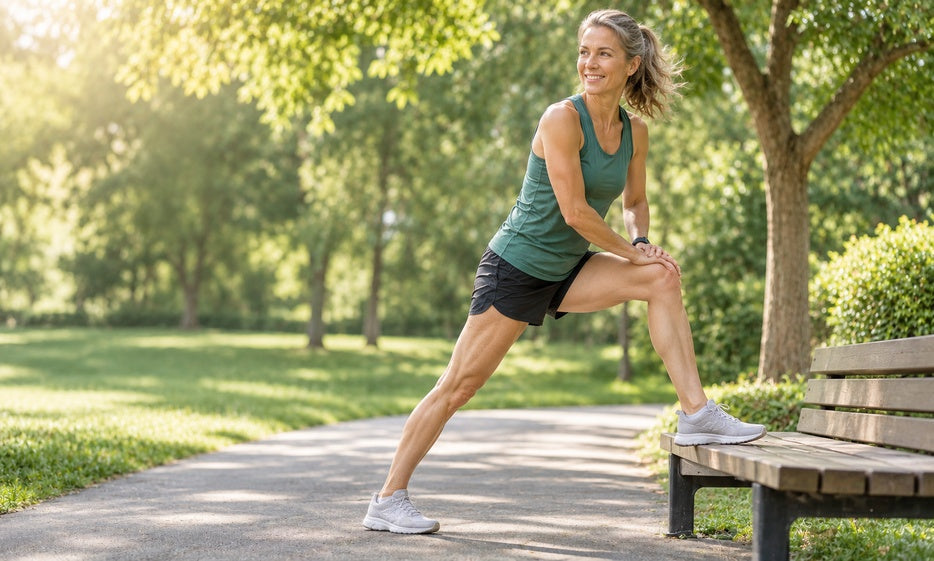
And if 150 minutes feels like a distant goal, start smaller. A short walk after lunch or a few minutes of movement between long periods of sitting still count as a beginning. The CDC's guidance is clear that doing some activity is better than doing none, and that people should work within their abilities and health conditions.
Strength and Balance Deserve More Attention
Aerobic exercise tends to get most of the attention, but strength and balance are just as relevant to staying independent.
Muscle strength helps with the practical tasks that make up an ordinary day: carrying shopping bags, climbing steps, lifting a suitcase, or standing up from a low seat. Balance helps with stability when walking, turning, or moving across uneven ground.
These abilities are not separate from the bigger conversation about mitochondrial health. Skeletal muscle has substantial energy needs, and its ability to adapt to regular use is one reason exercise appears so often in research on aging.
A sensible routine does not have to be complicated. Some people enjoy a group fitness class; others prefer walking, gardening, swimming, or doing a few resistance exercises at home. The best choice is one that feels manageable and can become part of a normal week.
Anyone returning to exercise after a long break, living with a chronic condition, or recovering from an injury should choose activities appropriate to their circumstances and seek professional guidance when needed.
Food, Sleep, and Recovery Still Count
It is easy to get caught up in individual nutrients and supplements when reading about cellular health. But a healthy routine is built from the basics.
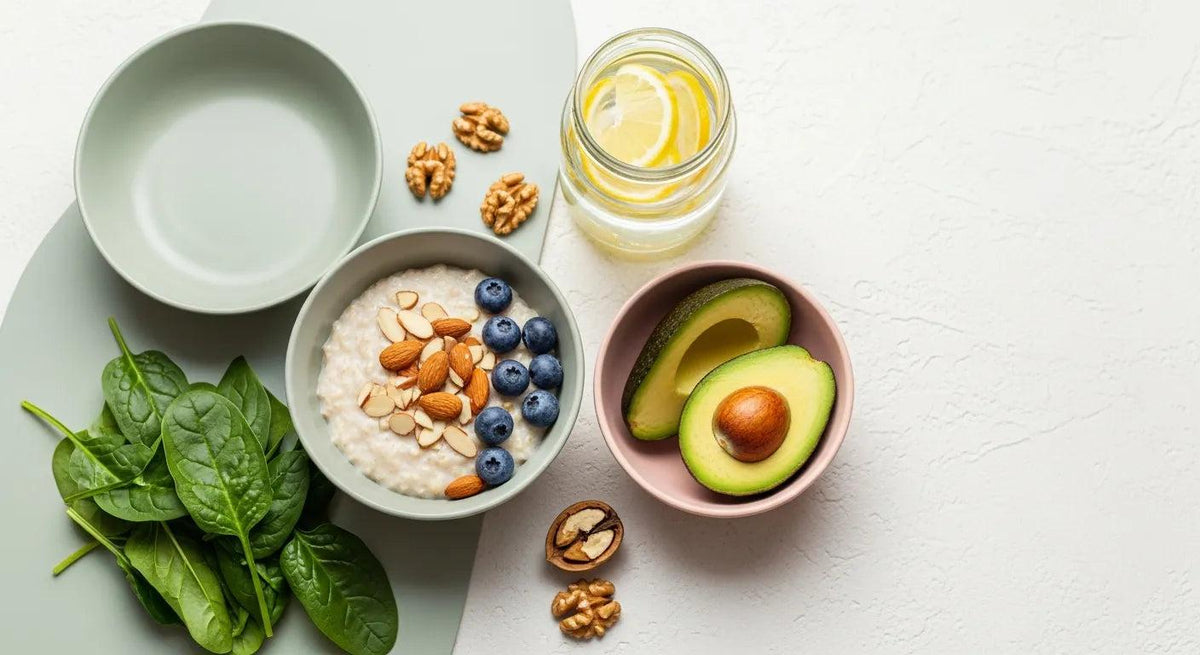
A varied eating pattern can provide the protein, carbohydrates, fats, vitamins, minerals, and plant compounds the body needs. Protein is particularly relevant to maintaining muscle as we age, although individual requirements vary. Beans, eggs, fish, dairy foods, nuts, vegetables, fruit, and whole grains can all have a place in a balanced diet.
Sleep and recovery deserve similar attention. Training places demands on the body; rest gives it time to recover and adapt. If sleep is consistently poor or fatigue is making everyday activity difficult, it is worth discussing that with a healthcare professional rather than assuming a supplement is the answer.
There is no single food, workout, or bedtime routine that guarantees healthy aging. What matters more is the pattern that your habits create over months and years.
Where Does Urolithin A Fit Into the Conversation?
Urolithin A is a compound that has attracted attention in mitochondrial research. It can be produced by gut microbes from dietary compounds called ellagitannins and ellagic acid, which are found in foods such as pomegranates and walnuts. Not everyone produces it to the same extent; differences in gut microbiome composition are one reason natural production varies.
Researchers are interested in Urolithin A partly because of its relationship with mitophagy, a cellular quality-control process involved in identifying and recycling damaged mitochondria.
There is also human research, although it is important to read beyond the headline.
In a 2022 randomized clinical trial published in JAMA Network Open, 66 adults aged 65 to 90 received either 1,000 mg of Urolithin A daily or a placebo for four months. Some measures of muscle endurance improved in the Urolithin A group at the two-month assessment. The study also reported changes in selected blood biomarkers.
However, the trial did not find significant differences between groups in its primary outcomes: six-minute walking distance and maximal ATP production in hand muscle. The study was relatively small and lasted four months, so the findings need to be confirmed in further research.
That makes Urolithin A an interesting area of study—not a replacement for exercise, a balanced diet, or medical care, and not a shortcut to staying young.
For a closer look at the ingredient itself and the research behind it, see our earlier article, Urolithin A & Mitochondrial Health.
A Closer Look at the inGreens Urolithin A Complex
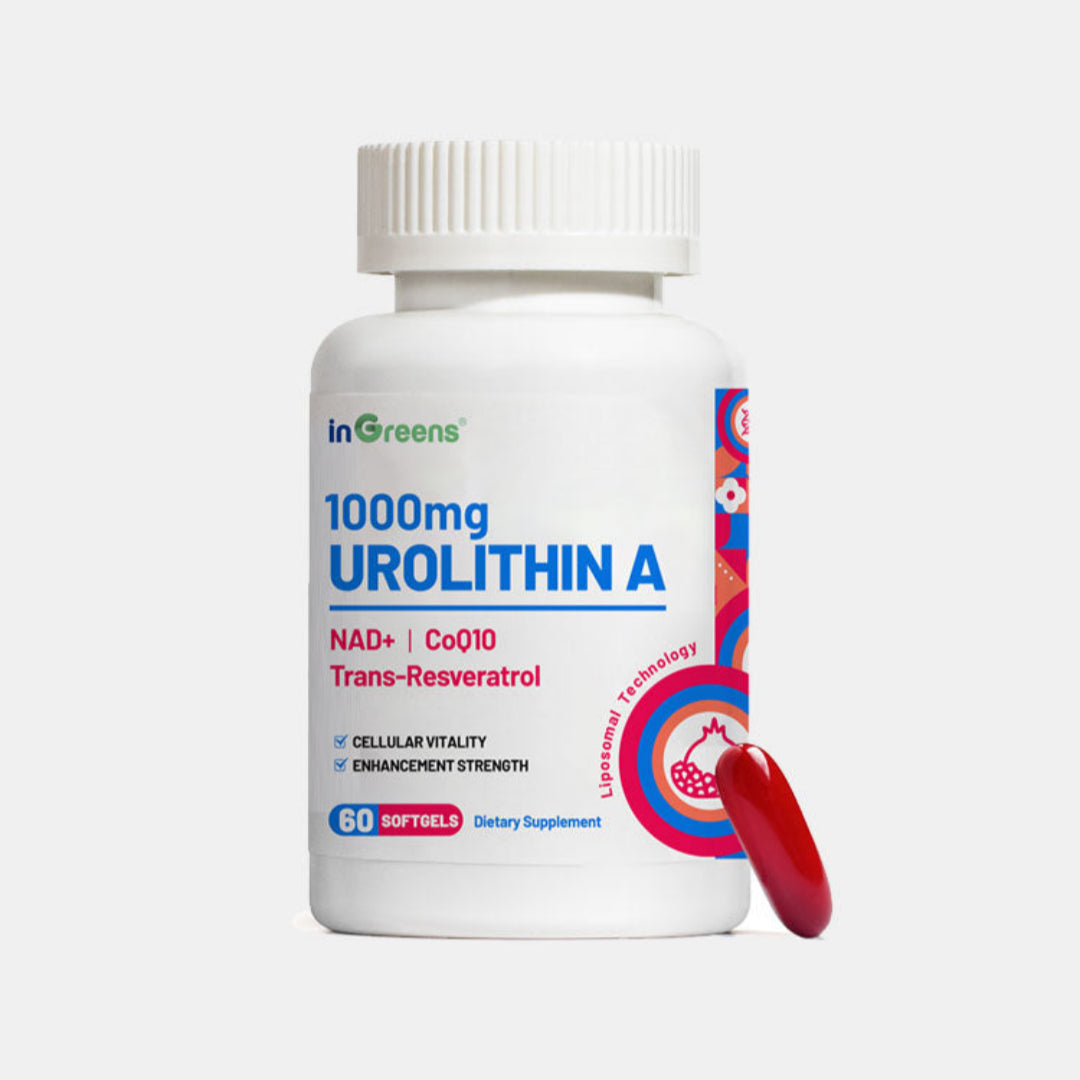
For readers who want to explore Urolithin A supplementation, the inGreens Urolithin A Complex combines four featured ingredients in one softgel formula.
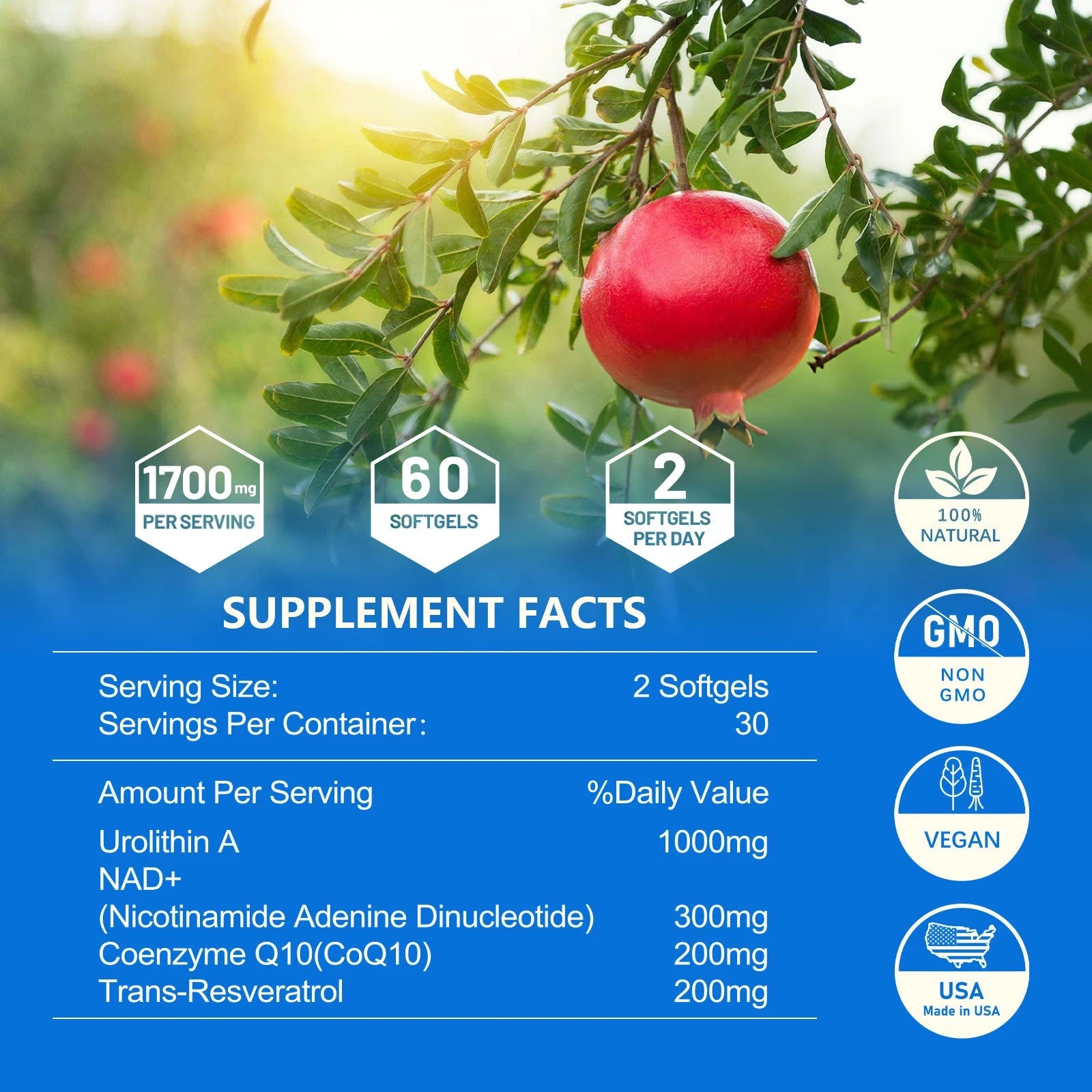
Each two-softgel serving provides:
| Ingredient | Amount per Serving |
|---|---|
| Urolithin A | 1,000 mg |
| NAD+ | 300 mg |
| CoQ10 | 200 mg |
| Trans-Resveratrol | 200 mg |
The four ingredients have different roles in biology and areas of research. Urolithin A is studied in relation to mitochondrial maintenance; NAD+ is involved in cellular metabolism; CoQ10 participates in mitochondrial energy production; and trans-resveratrol is a plant-derived polyphenol investigated in nutrition research.
The bottle contains 60 softgels, providing 30 servings. The product's suggested use is two softgels daily, with or without food.
As with any supplement, the details matter. The clinical trial discussed above tested Urolithin A as an ingredient, not this exact four-ingredient inGreens formula. The study should not be treated as clinical proof of the finished product or of a synergistic effect between its ingredients.
You can review the full formula and product information here:
Explore inGreens Urolithin A Complex
Staying Active Is Built Into Everyday Life
When people talk about healthy aging, the conversation can quickly become focused on the next breakthrough ingredient or the latest longevity trend. Those topics can be interesting, but they are only one part of the picture.
Being able to take a walk, keep up with friends, carry your own bags, and enjoy the activities you care about is meaningful in its own right. Regular movement, strength work, balanced meals, adequate sleep, and appropriate healthcare provide a practical foundation for supporting those abilities.
Mitochondrial health research helps explain some of the biology behind physical function. Urolithin A is one promising area researchers continue to investigate, but the broader habits still matter.
The goal is not to chase a perfect routine. It is to build one you can live with.
References
-
Yousaf F, Kao S, Ishaq S, et al. (2026). Exercise training and mitochondrial remodeling in aging skeletal muscle: A translational systematic review and meta-analysis. Archives of Gerontology and Geriatrics. https://doi.org/10.1016/j.archger.2026.106435
-
Centers for Disease Control and Prevention. Older Adult Activity: An Overview. https://www.cdc.gov/physical-activity-basics/guidelines/older-adults.html
-
Liu S, D’Amico D, Shankland E, et al. (2022). Effect of Urolithin A Supplementation on Muscle Endurance and Mitochondrial Health in Older Adults: A Randomized Clinical Trial. JAMA Network Open, 5(1), e2144279. https://doi.org/10.1001/jamanetworkopen.2021.44279
Disclaimer: This article is for educational purposes only and is not intended to provide medical advice. These statements have not been evaluated by the Food and Drug Administration. This product is not intended to diagnose, treat, cure, or prevent any disease.