





Is Creatine Only for Bodybuilders? Benefits Beyond the Gym

When people hear the word creatine, they often picture a bodybuilder lifting heavy weights or someone preparing for a fitness competition.
That image makes sense. Creatine is one of the best-studied supplements in strength and sports nutrition, and its connection with resistance training is well established.
But it leaves out a much bigger group of people.
Think about someone who plays recreational basketball twice a week, a person who enjoys weekend hikes, or someone who simply wants to stay strong enough to keep up with an active lifestyle. These people may never step on a bodybuilding stage, but they still use their muscles in ways that require strength, speed, and repeated effort.
So, is creatine only for bodybuilders?
Not at all. Its best-supported uses extend beyond bodybuilding, although the benefits depend on the type of activity and the person's goals.
Creatine Is About Muscle Energy, Not a Particular Sport
Your body naturally produces creatine from amino acids, and you also get some from foods such as meat and seafood.
Most of the creatine in your body is stored in skeletal muscle. There, it helps support the rapid regeneration of ATP, the immediate energy source your cells use.
This system becomes especially useful during short, intense efforts.
You might notice it in a heavy set of squats, but the same energy demands appear in other activities:
-
Accelerating during a basketball game.
-
Sprinting to catch up with a group on a run.
-
Repeating short bursts of effort during soccer.
-
Climbing a steep section of a hiking trail.
-
Completing several challenging sets in a home workout.
Creatine does not belong to bodybuilding. It supports a biological energy system that is used across many forms of physical activity.
You Don't Have to Be a Competitive Athlete to Train Hard
One reason creatine is associated with professional athletes is that much of the research has focused on structured resistance training and high-intensity exercise.
However, the underlying benefit is relevant to recreational exercisers too.
For example, someone who attends a fitness class three times a week may perform repeated movements involving resistance, jumps, short sprints, or bodyweight exercises. Someone playing recreational basketball may need to accelerate, jump, change direction, and recover between intense efforts.
These activities are not bodybuilding, but they still involve repeated high-intensity work.
Research on creatine monohydrate supports improvements in certain measures of high-intensity exercise performance, especially when efforts are repeated over time. The exact benefit varies by activity, training status, and individual response.
It is worth keeping expectations realistic. Creatine is unlikely to transform a casual walk into a dramatically different workout. Its potential value is more relevant when your routine includes meaningful strength or high-intensity demands.
What About People Who Just Want to Stay Strong?
This is an important distinction.
Strength is not only a concern for people who want bigger muscles. It also supports everyday physical activities.
Carrying groceries, getting up from a low chair, lifting luggage, climbing stairs, and playing with children all involve muscle strength.
Resistance training is one of the most useful ways to maintain and improve that capacity. Creatine may offer additional support when combined with an appropriate training program.
A review published in 2025 examined creatine monohydrate supplementation in older adults and clinical populations. It reported that research, particularly when creatine was combined with exercise training, has found benefits in measures such as lean body mass and muscle strength.
That does not mean creatine replaces exercise. The evidence is better understood as support for using creatine alongside a structured physical activity routine, rather than treating the supplement as a stand-alone solution.
For someone who wants to remain active over the long term, building a sustainable strength-training habit is still the foundation.
Does Creatine Help With Activities Like Running, Cycling, or Hiking?
This is where the answer becomes more specific.
Creatine is not generally considered a major performance supplement for continuous, moderate-intensity endurance exercise.
If your main activity is a long, steady run or a leisurely bike ride, you may not notice much difference from taking creatine.
But many endurance activities are not entirely steady.
A cyclist may need to accelerate up a hill. A runner may include short intervals. A hiker may encounter steep climbs. Team sports often combine periods of lower-intensity movement with sudden bursts of speed.
These short, demanding efforts are more closely related to the exercise types where creatine has demonstrated benefits.
The useful question is not whether you are an endurance athlete or a strength athlete. It is whether your activities regularly involve repeated high-intensity efforts.
Is Creatine Relevant for People Who Don't Eat Much Meat?
Creatine is naturally present in animal-based foods, particularly meat and seafood. People who eat little or no animal food generally consume less dietary creatine.
The body can produce creatine on its own, so avoiding meat does not automatically mean someone is deficient.
However, dietary intake is one factor that may influence baseline creatine stores. Some research suggests that people with lower starting muscle creatine levels, including some vegetarians, may respond differently to supplementation.
This is an interesting area, but it should not be turned into a blanket recommendation. A vegetarian diet can be nutritionally complete, and whether creatine supplementation makes sense depends on an individual's exercise habits, goals, and circumstances.
If you follow a plant-based diet and regularly perform strength or high-intensity exercise, creatine may be a topic worth discussing with a qualified healthcare professional or sports dietitian.
What About Brain Health and Mental Performance?
Creatine is found not only in skeletal muscle but also in the brain. It plays a role in cellular energy metabolism, which is why researchers have investigated whether supplementation could influence certain aspects of cognitive performance.
Some studies have explored memory, attention, and mental performance under conditions such as sleep deprivation or low dietary creatine intake.
There is scientific interest here, but the evidence is still developing. Results vary across studies, and it would be premature to describe creatine as a proven supplement for memory, focus, or general brain health.
If your main reason for considering creatine is cognitive performance rather than exercise, it is especially important to understand that research in this area is less established than the evidence for high-intensity exercise.
Does Everyone Need to Take Creatine?
No.
A person who exercises occasionally, has no particular strength or performance goal, and already enjoys a balanced lifestyle may not feel that creatine adds much value.
On the other hand, someone who regularly lifts weights, plays a sport involving repeated bursts of effort, or follows a structured fitness routine may find it useful.
Creatine is a supplement, not a requirement for being healthy or active.
It also does not replace the basics: a suitable training program, enough food and protein, good sleep, and adequate recovery.
If You're Not a Bodybuilder, How Should You Think About Supplementing?
Start with your actual routine.
If you regularly do resistance training or activities involving repeated high-intensity effort, creatine monohydrate may be worth considering. Commonly studied maintenance protocols for healthy adults use approximately 3–5 grams per day, although individual needs and product directions can differ.
You do not need to train like a competitive athlete to have a reason to learn about creatine.
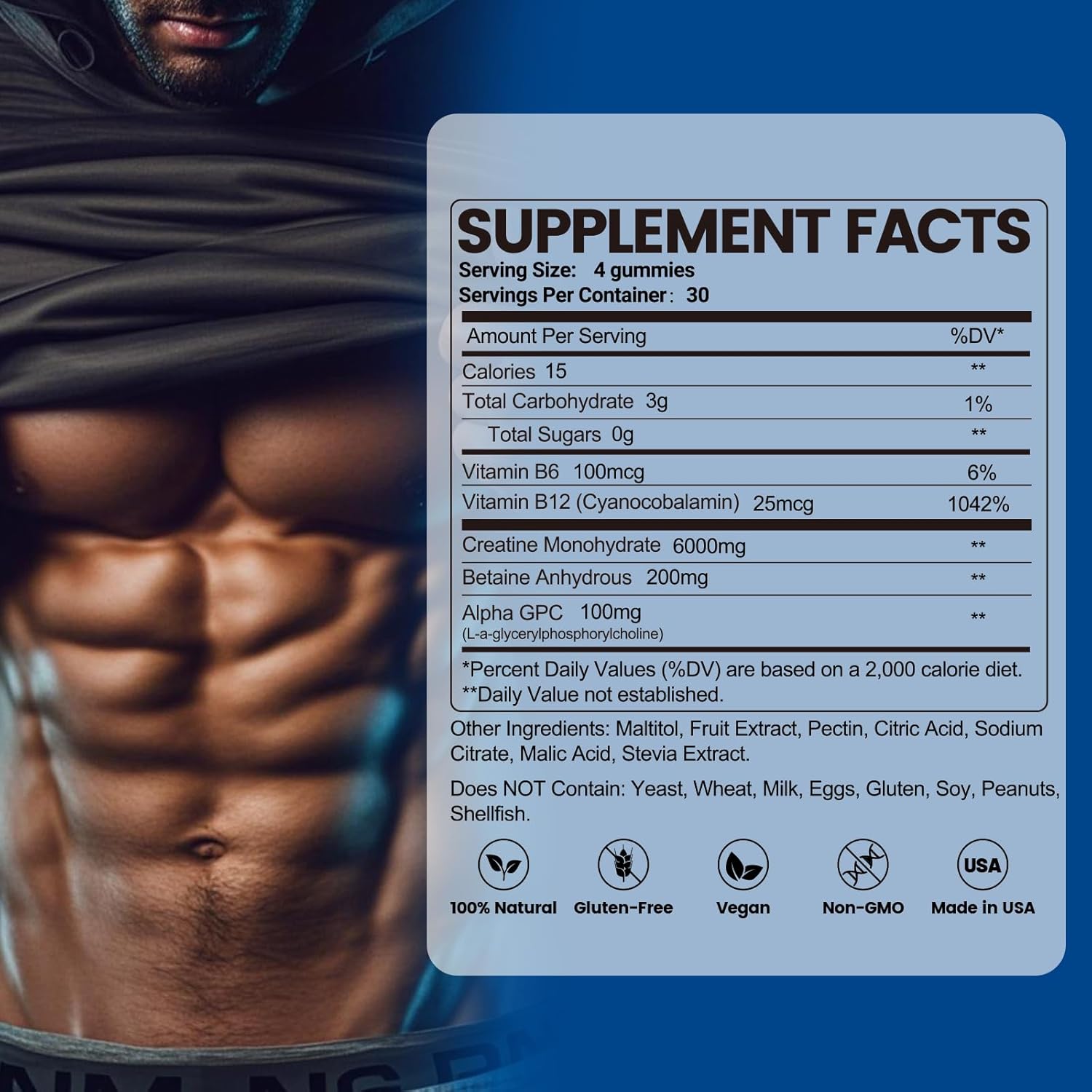
If you prefer a convenient format, inGreens offers Creatine Monohydrate Gummies in Mixed Berry flavor. Before choosing any multi-ingredient formula, check the Supplement Facts panel for the exact amount of creatine monohydrate per serving rather than relying on the total formula weight.
Explore inGreens Creatine Monohydrate Gummies – Mixed Berry, 120 Count
People with existing medical conditions, those who are pregnant or breastfeeding, and anyone taking medication should consult a qualified healthcare professional before starting a supplement.
The Takeaway: Creatine Is for More Than Bodybuilding
Creatine became popular in bodybuilding because it can support strength and repeated high-intensity exercise. But the energy system it supports is not exclusive to bodybuilders.
Recreational athletes, people who enjoy strength training, and active adults may also have reasons to consider it.
The important part is matching the supplement to your activity and expectations. Creatine is not necessary for everyone, and it will not replace regular movement or good training habits.
If your goal is to stay active, build strength, or get more out of repeated high-intensity exercise, creatine monohydrate is a well-researched option worth understanding.
You do not have to be a bodybuilder to care about getting stronger.
This article is for general educational purposes only and is not a substitute for individualized medical advice.