







Does the Timing of NMN Matter? A 2026 Guide to Optimizing Your Supplement Schedule

When you get a bottle of NMN, the first question for most people isn't "how much," but "when"—on an empty stomach first thing in the morning? After breakfast? Or right before bed? There's no one-size-fits-all answer, but there is solid science to guide you. This guide, based on multiple human randomized controlled trials (RCTs) from 2022–2024 and research on circadian biology, breaks down the logic behind NMN timing.
Why does timing even matter for NMN?
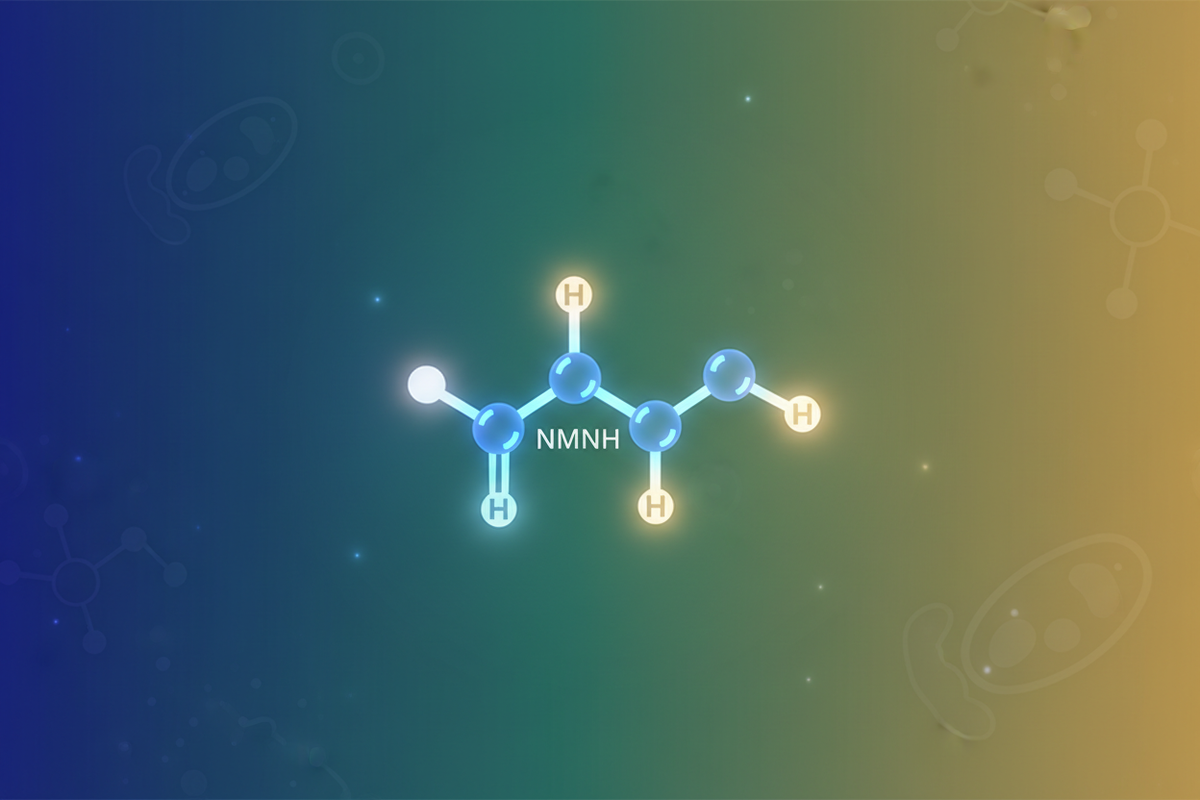
NMN isn't caffeine—it's not a stimulant that kicks in 15 minutes after you take it. It's a precursor to NAD+, which must go through an enzymatic conversion: NMN → NAD+. And this process is directly regulated by your body's internal clock.
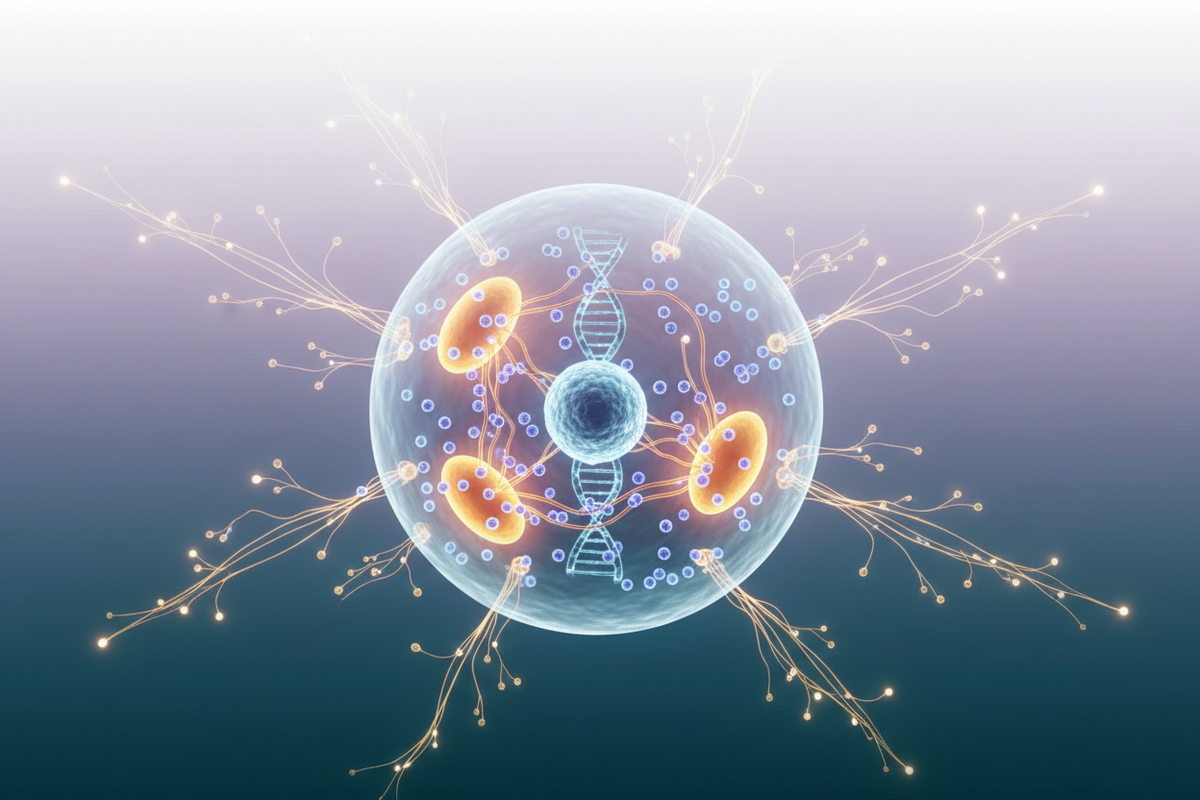
The key enzyme responsible for this conversion is NAMPT—the rate-limiting enzyme in the NAD+ synthesis pathway. Its activity isn't constant throughout the day. Instead, it's driven by the core circadian genes CLOCK and BMAL1, peaking during daytime active hours and naturally declining at night. In other words, whether you take NMN in sync with your body's natural NAD+ production rhythm directly affects how much of that NMN actually gets converted efficiently.
A 2022 double-blind RCT by Kim et al., published in Nutrients, is one of the few human studies to directly compare the effects of taking NMN at different times of day. 108 older adults were divided into four groups (morning NMN, afternoon NMN, morning placebo, afternoon placebo), taking 250 mg of NMN daily for 12 weeks. The results were surprising: the afternoon group showed greater improvements in lower limb function and reduced daytime sleepiness, with effect sizes of d=0.72 and d=0.64 respectively, outperforming the morning group. The researchers suggested that afternoon NMN supplementation helps "pick up the slack" as NAD+ levels naturally dip during the most fatigue-prone part of the day, improving evening physical function and reducing daytime drowsiness.
The science, pros, and cons of each timing option
Morning (upon waking to 12:00 PM)—the mainstream, safest choice
NAMPT enzyme activity naturally peaks during the day, making morning supplementation biologically the most "in sync" with your body's own synthesis rhythm. Most human RCTs (including key studies by Yoshino 2021, Igarashi 2022, and others) use morning or pre-noon dosing. A 2024 Japanese study found that 11 middle-aged men taking 250 mg of NMN before breakfast daily for 8 weeks showed significantly increased blood NAD+ levels with good tolerability.
From a practical standpoint, taking NMN in the morning alongside other supplements like Vitamin D or Omega-3s makes it easier to build a consistent habit. And consistency is the single most important factor for NMN's cumulative effects—taking it at the same time every day matters far more than whether it's an hour earlier or later. One caveat: a small subset of people sensitive to NMN's metabolic activation effects may experience a brief energy jolt after morning intake.
Afternoon (2:00 PM to 2 hours before bed)—a non-mainstream option with surprising supporting evidence
The Kim 2022 RCT is the strongest direct evidence for afternoon dosing: the afternoon group showed superior lower limb function improvement, significantly less drowsiness, and a trend toward better sleep quality compared to the morning group. The researchers theorized that this could be related to the delayed timing of NAD+ activation—mouse studies show that plasma NMN rises within 2.5 minutes of ingestion, but significant NAD+ increases take about 30 minutes. Afternoon supplementation may position the NAD+ peak right at the evening window when your body's repair mechanisms are most active.
However, it's worth noting: some users report that taking NMN in the evening makes it harder to fall asleep or leads to lighter sleep, possibly due to the metabolic activation effects of NMN stimulating AMPK and sirtuin pathways. If you're sensitive to sleep disruptions, start with a morning routine, get stable, and then try shifting to afternoon for a week to see how your body responds.
Consistency beats perfect timing every time
The takeaway from multiple RCTs points to the same consensus: taking NMN at the same time every day matters more for long-term results than whether you take it in the morning or evening. NAD+ accumulates in tissues over weeks—the exact single-dose timing window matters far less than daily consistency. If your mornings are always rushed and you're worried about evening intake disrupting sleep, a midday dose around lunch is a reasonable compromise—it avoids potential morning empty-stomach discomfort and is far enough from bedtime.
If you're sensitive to timing, inGreens NMN's multi-ingredient formulation offers a natural solution. With grape seed extract and resveratrol for powerful antioxidant support, and anhydrous betaine to assist methylation pathways, this synergistic blend means you have more flexibility in when you take it—morning doses won't overstimulate, and afternoon doses won't interfere with sleep.
Other questions you might have about NMN timing
Is it better to take NMN in the morning or at night?
Morning is the mainstream, safe default—most RCTs use morning dosing and show good tolerability. Afternoon dosing has surprising RCT evidence for improving drowsiness and lower limb function. Both approaches have scientific backing, and the difference is smaller than you might think—taking it at a consistent time every day matters way more than stressing over morning vs. evening.
Will taking NMN at night really affect my sleep?
It depends on the person. Some users do report trouble falling asleep or lighter sleep after evening intake, possibly related to NMN's activation of metabolic pathways. Others have no such reaction and even report improved sleep quality. Start with a morning routine, get stable, then try shifting to afternoon for a week to observe your body's response.
Should I take NMN on an empty stomach or with food?
Existing RCTs use both approaches, and there's no definitive consensus. Empty-stomach intake may cause mild stomach discomfort for some; taking it with food can help. Starting with breakfast is a good way to go—it's a natural daily anchor point that helps build a consistent habit.
Does the ideal timing vary by brand?
There can be some differences. Pure NMN products with a single ingredient are more timing-sensitive—morning empty-stomach may be too stimulating, and evening intake may disrupt sleep. Products with multi-ingredient formulations (like grape seed extract, anhydrous betaine, resveratrol, etc.) offer more timing flexibility due to synergistic effects across multiple pathways. inGreens NMN's formula covers antioxidant support, methylation metabolism, and overall stabilization, so it fits naturally into your routine whether you take it in the morning or afternoon.
Bottom Line
For NMN, morning is the safest bet, afternoon has some pleasantly surprising research behind it—but above all, take it at the same time every day. NAD+ builds up over weeks; being consistent day in and day out matters ten times more than agonizing over morning versus evening. If you're already considering making NMN part of your long-term wellness plan, check out inGreens to learn more about the logic behind multi-ingredient formulations.