





What Is Liposomal NAD+?

Liposomal NAD+: What the Label Can and Can’t Tell You
Liposomal NAD+ sounds like a single, precise thing. It isn’t. The name puts together a molecule—nicotinamide adenine dinucleotide, or NAD+—and a delivery idea: liposomes. NAD+ is what the product claims to contain. “Liposomal” describes how the maker says it is packaged. Whether an oral product actually protects or delivers that ingredient is a separate question, and it has to be answered with evidence about the real formulation.
What NAD+ does in the body
NAD+ is a coenzyme found in living cells. It takes part in oxidation-reduction reactions, accepting electrons to become NADH. That back-and-forth between NAD+ and NADH helps link nutrient metabolism to processes involved in ATP production.
NAD+ also acts as a substrate for enzymes such as sirtuins and poly(ADP-ribose) polymerases, or PARPs. These enzymes are involved in metabolic regulation, cellular stress responses, and DNA damage responses.
All of that makes NAD+ essential to cell biology. It does not prove that swallowing NAD+ boosts energy, repairs DNA, or slows aging. The body needing a molecule and an oral supplement working are two different questions.
What “liposomal” means
A liposome is a microscopic vesicle enclosed by one or more phospholipid bilayers. Phospholipids have water-attracting heads and water-avoiding tails. Under the right conditions, they can arrange themselves into structures with an aqueous interior.
A simple way to picture it is a tiny fluid-filled envelope. Water-soluble compounds may sit in the inner watery compartment, while other compounds may associate with the membrane. For NAD+, the usual idea is to incorporate the water-soluble molecule into the aqueous part of the delivery system.
But formulations vary. Particle size, membrane composition, encapsulation efficiency, and stability all matter. Adding phospholipids to an ingredient does not, by itself, prove that stable liposomes formed or that the active ingredient is actually encapsulated.
Why combine NAD+ with liposomes?
The rationale is that a phospholipid carrier might protect an ingredient under certain conditions or change how it interacts with biological barriers. That possibility is why liposomes have been studied so much in drug delivery.
Oral supplements face a tougher path. A delivery system has to pass through stomach conditions, digestive enzymes, bile salts, and the intestinal environment. Those can alter or break down lipid structures. Some formulations may retain useful properties through part of that journey; others may not.
A liposome is not a guaranteed shield through digestion, and it is not proof that intact NAD+ enters every cell. Protection, absorption, tissue delivery, and clinical benefit are separate outcomes. Each needs to be measured.
Does liposomal NAD+ have better bioavailability?
Bioavailability is about how much of a substance reaches the circulation and how quickly. For an ingredient that can be broken down and recycled, researchers also have to decide what they are measuring: intact NAD+, related metabolites, or a change in the body’s own NAD+ pools.
A rise in a blood NAD+-related measurement does not necessarily mean intact supplemental NAD+ crossed the intestine. It also does not show that the same change happened in muscle, brain, or other organs.
To support a claim of improved bioavailability, a study should compare relevant formulations under controlled conditions, using appropriate measurements. The result should apply to the actual product—or to a formulation clearly shown to be equivalent.
Evidence from liposomal vitamin C, an injectable medicine, or a laboratory model cannot automatically validate an oral liposomal NAD+ supplement. “Liposomal” is a formulation category, not a universal absorption rating.
Liposomal NAD+ vs. regular NAD+
Both may contain the same named coenzyme, but they differ in formulation. A conventional product may provide NAD+ without a characterized liposomal carrier. A liposomal product is intended to associate NAD+ with phospholipid vesicles.
That difference raises questions worth testing. It does not settle the comparison. A fair assessment would look at stability, how much NAD+ is encapsulated, human exposure, relevant biomarkers, and meaningful health outcomes.
Claims like “several times better absorbed” need a clearly defined comparison and supporting data. A percentage without a study method, comparator, or explanation of what was measured is hard to interpret.
Liposomal NAD+ vs. NMN and NR
NMN, or nicotinamide mononucleotide, and NR, or nicotinamide riboside, are NAD+ precursors. The body can use them in pathways that contribute to NAD+ synthesis. NAD+ itself is the coenzyme those pathways help replenish.
“Liposomal” does not identify a new precursor. It describes a delivery approach that could be applied to different ingredients. A liposomal NAD+ product is therefore not chemically identical to NMN or NR, and research on those precursors does not automatically validate it.
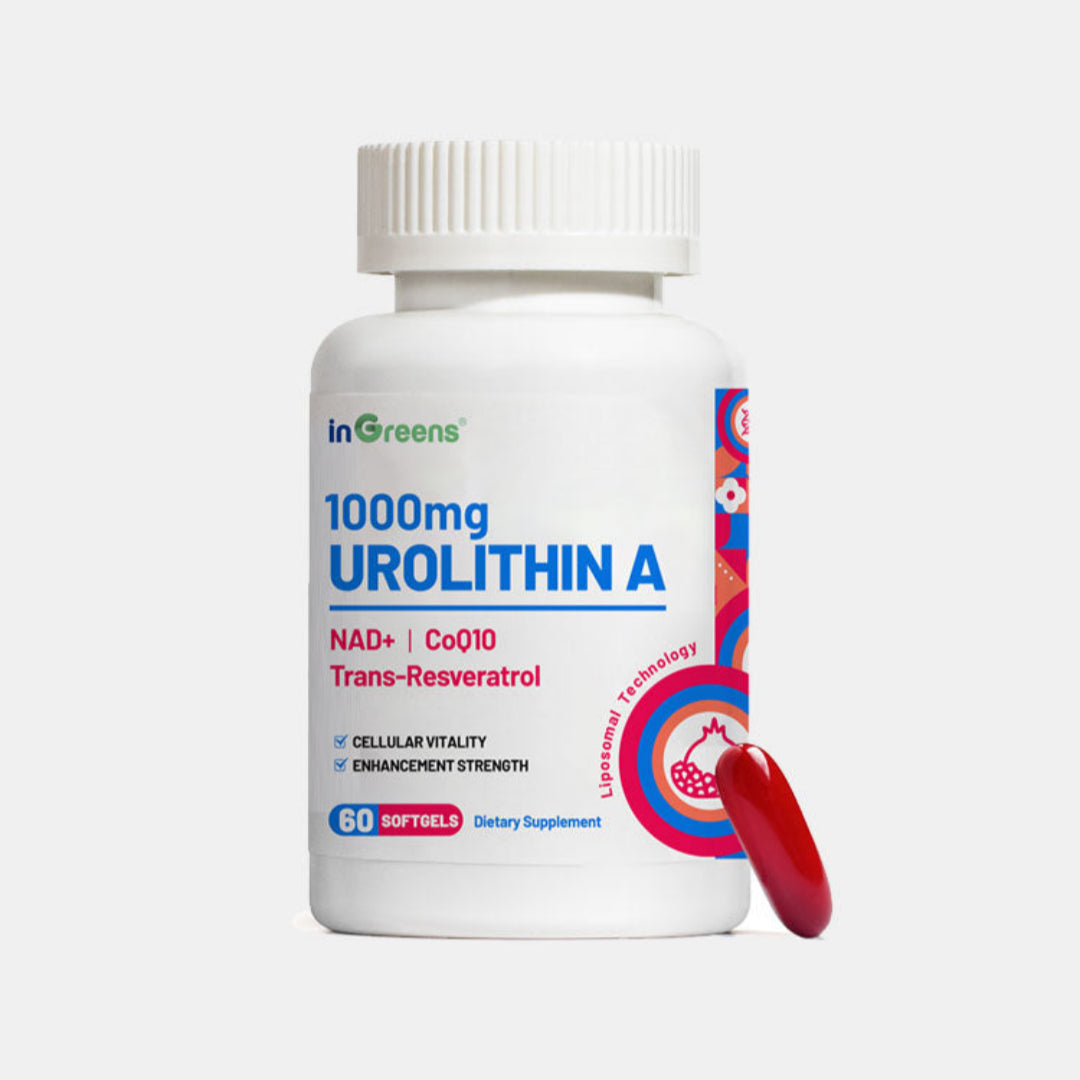
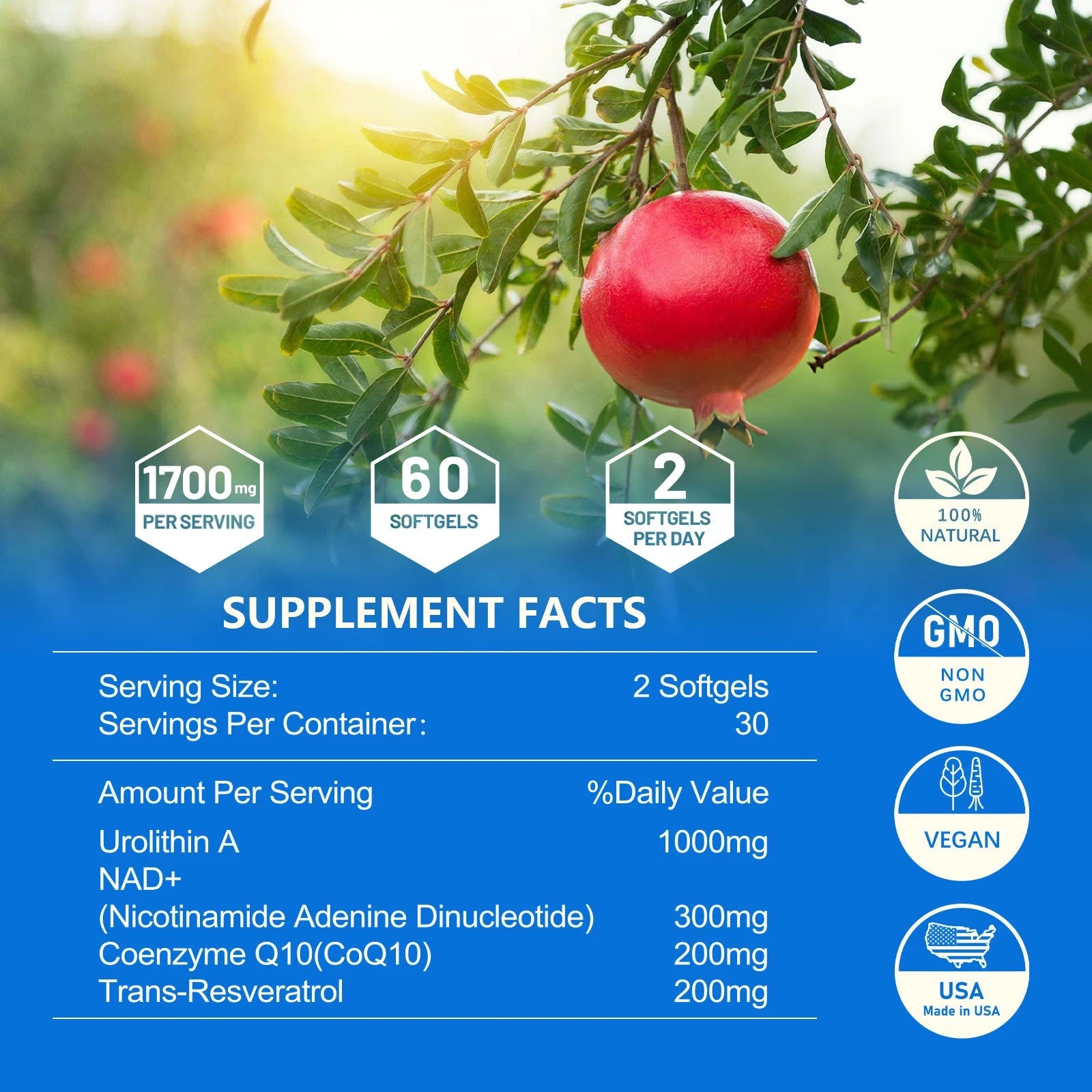
Check the Supplement Facts panel rather than relying on the product name. A formula marketed around NAD+ support may contain NAD+, precursors, or a combination. Each ingredient and its amount matter when matching a product to research.
What health benefits are established?
NAD+’s cellular functions give researchers a reason to study it. They do not guarantee supplement benefits. Product-specific human trials are needed before improvements in fatigue, cognition, physical performance, or other outcomes can be attributed to a liposomal formulation.
Even if a product raises an NAD+-related biomarker, that does not establish a noticeable benefit. It also does not prove that the product slows aging, extends lifespan, prevents disease, or repairs damaged tissues.
A study of intravenous NAD+ cannot be treated as evidence for oral liposomal NAD+. Different routes of administration expose the body to ingredients in different ways.
How to evaluate a liposomal NAD+ product
Look for clear ingredient amounts.
Distinguish the amount of NAD+ from the total weight of a liposomal blend. A blend weight that includes phospholipids and other ingredients is not necessarily the NAD+ dose. Transparent labeling matters more than a bigger number.
Ask what supports the liposomal claim.
Useful characterization may include particle size and distribution, evidence of vesicle structure, and encapsulation efficiency. These measurements describe the delivery system, but they do not by themselves establish clinical effectiveness.
Consider stability through shelf life.
A delivery system has to remain suitable during storage, not only right after manufacture. NAD+ content and vesicle integrity are separate aspects of stability. Follow the manufacturer’s storage instructions; refrigeration should not be assumed necessary for every product.
Separate quality testing from benefit testing.
Independent testing may help assess identity, potency, and contaminants. Human clinical research addresses different questions about exposure, tolerability, and outcomes. A quality certificate is valuable, but it is not proof of improved absorption or an anti-aging effect.
Safety and practical considerations
Liposomal delivery does not automatically make an ingredient safer. Tolerability can depend on the active ingredient, dose, phospholipid source, other ingredients, and the person using it.
Check labels for ingredient sources and relevant allergens. Talk with a qualified healthcare professional before considering NAD+-related supplements, especially if you take medications, have a medical condition, or are pregnant or breastfeeding. Do not replace prescribed care with a supplement.
There is no universal dose that can be inferred from the word “liposomal.” Doses used for NMN, NR, or intravenous NAD+ should not be converted into an oral liposomal NAD+ dose without appropriate evidence.
A few common questions
Is liposomal NAD+ a different type of NAD+?
The delivery system is different, not necessarily the active molecule. “Liposomal” refers to the intended phospholipid carrier surrounding or associated with NAD+.
Do liposomes deliver NAD+ directly into cells?
That should not be assumed. Oral digestion, uptake, metabolism, and tissue distribution make the pathway complicated. Direct intracellular delivery requires evidence for the specific formulation and context being discussed.
Are all liposomal products equivalent?
No. Composition, manufacturing, encapsulation, storage stability, and supporting evidence can differ. A liquid, capsule, or powder format alone does not establish delivery performance.
Can liposomal NAD+ reverse aging?
The delivery concept does not establish age reversal or lifespan extension in humans. Such claims require clinical evidence beyond a mechanism or biomarker change.
The bottom line
Liposomal NAD+ combines a cellular coenzyme with a phospholipid-based delivery approach. The technology offers a rationale for investigation, but a liposomal label alone does not establish superior absorption, direct cellular delivery, or better health outcomes.
The most useful evidence addresses the actual formulation: what it contains, whether the delivery structure is characterized and stable, how it behaves in people, and whether it improves a meaningful outcome.
Scientific background
Covarrubias AJ, Perrone R, Grozio A, Verdin E. NAD+ metabolism and its roles in cellular processes during ageing. Nature Reviews Molecular Cell Biology. 2021;22:119–141. doi:10.1038/s41580-020-00313-x.
Allen TM, Cullis PR. Liposomal drug delivery systems: from concept to clinical applications. Advanced Drug Delivery Reviews. 2013;65:36–48. doi:10.1016/j.addr.2012.09.037.
These references provide background on NAD+ biology and liposomal delivery systems. They do not establish the clinical effectiveness of a particular oral liposomal NAD+ supplement.
This article is for educational purposes only and is not medical advice. Statements about dietary supplements have not been evaluated by the Food and Drug Administration. Dietary supplements are not intended to diagnose, treat, cure, or prevent any disease.