





How to Choose a NAD+ Supplement

Turn over the bottle before you compare the promises on the front.
That is a useful place to start with NAD+ supplements. Two products can both say “NAD+ support” while containing different ingredients, different amounts, and very different kinds of evidence. The larger number is not necessarily the better choice. Neither is the more complicated formula.
If you are deciding how to choose a NAD+ supplement, focus on what you can actually check: the ingredient, the daily serving, the quality documentation, and the research behind the claim. There is no single best option for everyone, and choosing not to buy is a reasonable outcome too.
First, find out what is actually in it
“NAD+ supplement” is often used as a broad category. It may refer to NAD+ itself, a precursor used to make it, or a blend of several ingredients.
NAD+ is a coenzyme involved in cellular energy metabolism and signaling. NR, short for nicotinamide riboside, and NMN, short for nicotinamide mononucleotide, are precursors that can contribute to NAD+ production. NMNH is reduced NMN, a distinct compound with a much earlier evidence base.
Those names matter. A study of NR does not establish what a particular NMN product will do. A laboratory experiment using NMNH cannot tell you whether an oral NAD+ blend improves energy in people.
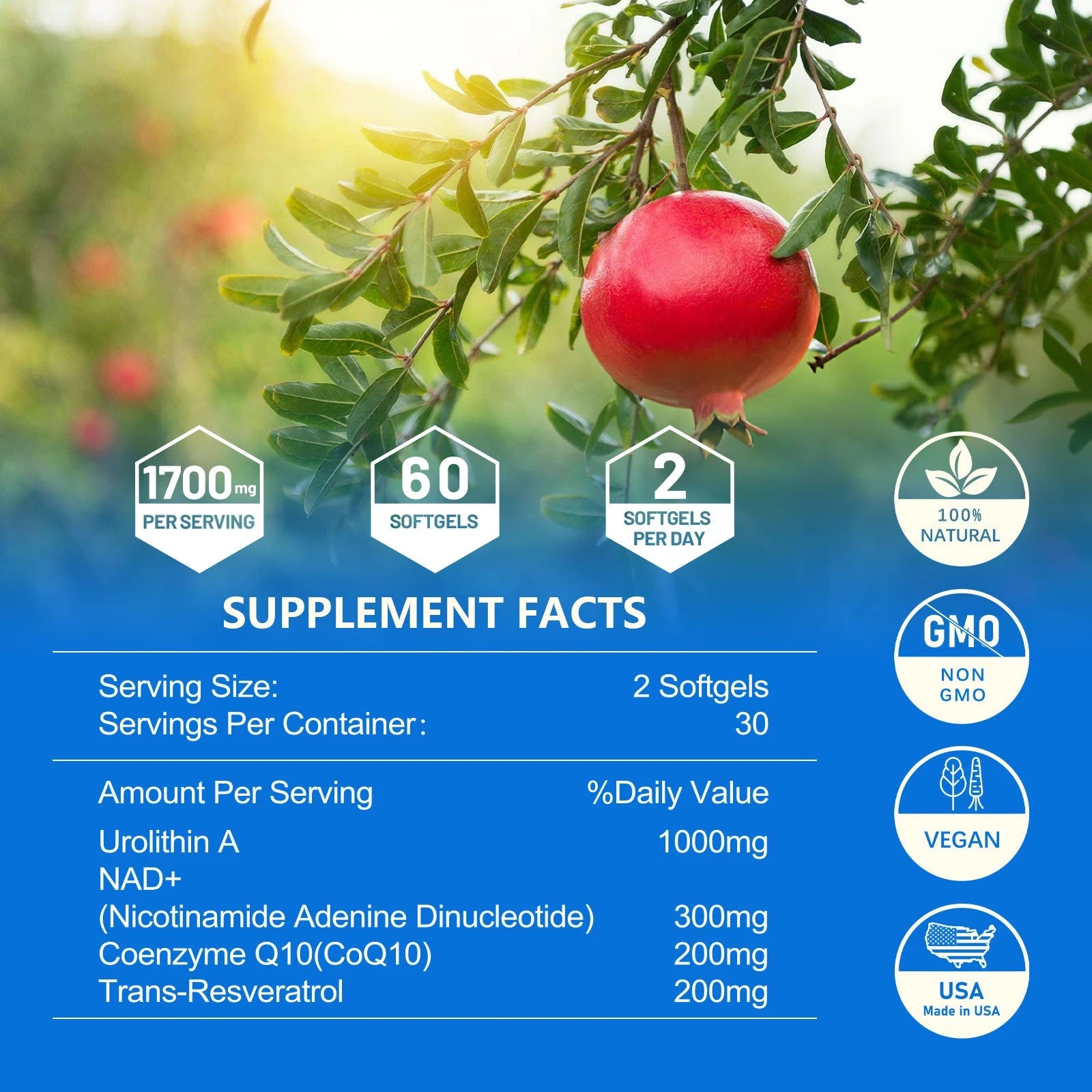
Look at the Supplement Facts panel and identify the ingredient you would actually be taking. If the front says “NAD+ support” but the panel lists a precursor, evaluate it as that precursor, not as direct NAD+. If you cannot work out the active ingredient from the label and product information, stop there and ask the seller to clarify.
Do the serving-size math
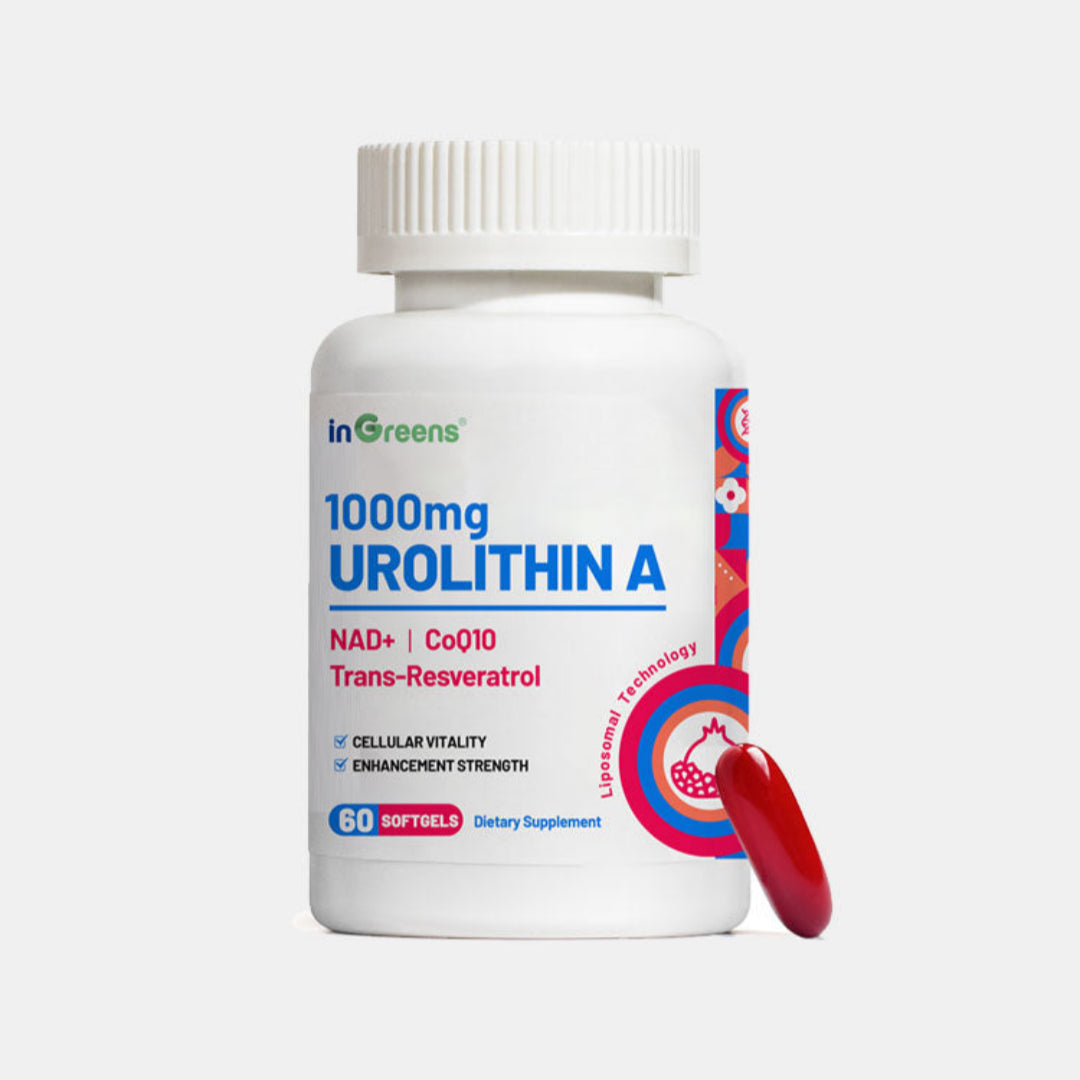
A bottle might advertise 1,000 mg prominently, but that number needs context. Is it per capsule, per serving, or the combined weight of a blend?
Here is a hypothetical example. A bottle contains 60 capsules, and the serving size is two capsules. It provides 30 daily servings, not 60. If the label lists 500 mg per serving, each capsule contributes 250 mg, assuming the ingredient is distributed evenly.
A liposomal blend needs another check. “1,000 mg liposomal complex” may include phospholipids and other components. It does not necessarily mean 1,000 mg of NAD+. Look for the separately disclosed amount of the active ingredient.
Clear labeling will not tell you whether a supplement works, but it lets you understand what you are buying. Without that, even a price comparison becomes guesswork.
Ask what the research measured
“Clinically studied” sounds reassuring. The useful follow-up is: studied for what?
Some human trials of NAD+ precursors have measured changes in blood NAD+ or related metabolites. That is evidence about metabolism. It is not automatically evidence that participants felt more energetic, slept better, performed better, or aged more slowly.
For example, a 2018 study in healthy middle-aged and older adults found that NR supplementation increased NAD+-related measures in blood cells. It does not follow that every product marketed for NAD+ support produces the same result, much less the same clinical benefit.
When a brand links a study, check whether it tested the same ingredient, a comparable dose, and the same route of administration. Then look at who participated and how long the trial lasted. A short trial in one population cannot answer every question about years of use in another.
You do not need to become a research scientist to make a better decision. Simply separating a blood measurement from a health outcome filters out a surprising amount of marketing.
Treat delivery claims as questions, not answers
Liposomal, sublingual, delayed-release: these describe approaches to delivery. They are not rankings.
A liposomal product is intended to use phospholipid vesicles as a carrier. That may be a sensible formulation strategy, but the word alone does not establish that the ingredient survives digestion, reaches a particular tissue, or works better than another product.
If a company claims improved absorption, look for a human comparison involving the actual formulation or a demonstrably equivalent one. What was the comparator? Was intact NAD+ measured, or were related metabolites measured? Was the difference meaningful beyond a laboratory value?
A capsule can be well made without an elaborate delivery story. A sophisticated delivery system can still lack convincing clinical evidence. Judge each on the data rather than the terminology.
Look beyond “third-party tested”
Independent testing can be useful, but the phrase is incomplete without details. Different tests answer different questions.
An identity test checks whether an ingredient is what it is claimed to be. A potency test measures how much is present. Other tests may assess specific contaminants, such as heavy metals or microbes. Passing one does not mean all of them were performed.
If a certificate of analysis is available, check whether its product description and lot number match the bottle you are considering. Look for the testing date, laboratory name, methods, and actual results with units. A generic report for a raw ingredient is not the same as testing the finished capsules you will receive.
Not every report is easy for a consumer to interpret. A responsive company should be able to explain what was tested and what was not. A certificate also has limits: it can support quality claims, but it cannot prove that a supplement improves health.
A higher dose is not automatically a better buy
It is tempting to compare supplements by milligrams per dollar. That only becomes useful after you have established that you are comparing the same ingredient and know the amount being supplied.
There is no universal dose that applies across NAD+, NR, NMN, and NMNH. They are different compounds, and a dose studied for one cannot simply be transferred to another. Likewise, a delivery claim is not enough to calculate an “equivalent” lower dose.
Be cautious about choosing a high-dose product just because the label looks more substantial. More exposure does not necessarily produce more benefit, and short-term tolerability does not settle long-term safety.
For cost, compare the price per intended daily serving. For suitability and dose, use evidence relevant to the ingredient and discuss your circumstances with a qualified healthcare professional.
Keep blends in perspective
Some formulas combine an NAD+-related ingredient with resveratrol, TMG, or other compounds. That can make the label more interesting without making the product easier to evaluate.
Read the amount of each ingredient. If several are grouped into a proprietary blend without individual quantities, you may not be able to compare them meaningfully with research. Also check for overlap with supplements you already take.
Evidence for each ingredient separately does not establish that the combination is more effective. A simpler formula may be easier to assess, especially if you are trying to understand how you tolerate a new product.
Check the practical details before ordering
Read the storage directions, expiration information, and full ingredient list. Check for ingredient sources or allergens relevant to you. Do not assume every liposomal product needs refrigeration, or that every powder and capsule has the same stability.
It is also worth checking whether the purchase is a one-time order or a subscription. A lower first-order price is less useful if the ongoing cost or delivery schedule does not suit you.
If you take medication, have a medical condition, or are pregnant or breastfeeding, speak with a qualified healthcare professional before using an NAD+-related supplement. New or persistent fatigue deserves proper evaluation rather than an assumption that a supplement will fix it.
What would make you put the bottle back?
A promise to reverse aging. An absorption percentage without a clear study. A prominently displayed blend weight with no clear active dose. A seller who cannot explain a testing report.
None of those tells you the product must be harmful. They do tell you that an important part of the buying decision is missing.
The more useful choice is a product whose ingredient and serving size you understand, whose quality claims you can examine, and whose marketing stays close to its evidence. That may not be the loudest bottle on the shelf.
And if your goal is better day-to-day health, keep the purchase in proportion. Sleep, movement, nutrition, and appropriate medical care should not become an afterthought because a supplement has an appealing cellular story.
Scientific background
Covarrubias AJ, Perrone R, Grozio A, Verdin E. NAD+ metabolism and its roles in cellular processes during ageing. Nature Reviews Molecular Cell Biology. 2021;22:119–141. doi:10.1038/s41580-020-00313-x.
Martens CR, et al. Chronic nicotinamide riboside supplementation is well-tolerated and elevates NAD+ in healthy middle-aged and older adults. Nature Communications. 2018;9:1286. doi:10.1038/s41467-018-03421-7.
This article is for educational purposes only and is not medical advice. Statements about dietary supplements have not been evaluated by the Food and Drug Administration. Dietary supplements are not intended to diagnose, treat, cure, or prevent any disease.