





Creatine and Healthy Aging: Supporting Strength as We Age

One thing I have come to appreciate about healthy aging is that it is not really about chasing a younger version of yourself. It is about keeping the ability to do the things that make everyday life enjoyable: carrying groceries, climbing stairs, traveling, gardening, playing with grandchildren, or getting out for a long walk without feeling completely worn out.
That is one reason strength deserves more attention as we get older.
Creatine often enters this conversation because it is associated with muscle performance. But what does the research actually say about creatine and aging? Is it useful beyond the gym, and can it make a meaningful difference for older adults?
The answer is promising, with a few important qualifications.
Why strength matters as we age
Muscle strength and physical capacity can gradually change with age. The process is influenced by many things, including activity levels, nutrition, illness, sleep, and genetics.
The important point is that getting older does not mean strength training stops being worthwhile. Resistance exercise remains one of the most practical ways to challenge muscles and support physical capacity throughout adulthood.
Nutrition matters, too. Getting enough protein and overall energy helps support the body's response to exercise. Creatine is sometimes considered alongside these basics because it plays a role in the rapid energy system used during muscle contractions.
It is not a replacement for exercise or a complete nutrition plan. It is better understood as a possible addition to an already useful routine.
What does creatine do?
Your body naturally produces creatine, and you also get some from foods such as meat and fish. Most of the body's creatine is stored in skeletal muscle, where it helps regenerate ATP, a source of energy used during short, demanding efforts.
This is why creatine monohydrate is commonly studied in resistance training. It may help people maintain performance during repeated sets and high-intensity activity. When paired with a consistent training program, that extra training support may contribute to strength improvements over time.
For older adults, the question is not whether creatine can magically reverse aging. It cannot. The more useful question is whether it can help support the training that helps preserve strength.
What do studies in older adults show?
Recent research has examined creatine combined with resistance training in adults over 60.
A 2026 systematic review and meta-analysis included 11 randomized controlled trials. It found a small additional improvement in muscle strength when creatine was combined with resistance training. However, the pooled results did not show statistically clear additional improvements in muscle mass or physical function. The authors also noted that the findings should not automatically be applied to frail or functionally limited older adults.
Other reviews have reported some positive effects on strength and lean tissue, but the results vary depending on the participants, training program, supplement protocol, and outcome being measured.
This is why I would avoid claims that creatine alone prevents age-related muscle loss or guarantees better mobility. The more defensible message is that creatine may provide modest support for strength-training adaptations in some generally healthy older adults.
The exercise still comes first
If someone is considering creatine for healthy aging, I would put the training plan ahead of the supplement.
A realistic routine might include two or three weekly resistance sessions, adjusted to ability and experience. Exercises can be simple: chair squats, supported rows, wall push-ups, resistance-band movements, or supervised weight training.
Walking, balance work, and other enjoyable activities can round out the week. The best routine is one that can be repeated safely and consistently.
Creatine may be useful as an addition, but it cannot create the benefits of movement without movement.
Does diet make a difference?
Creatine is naturally present in animal foods, especially meat and fish. People who eat little or no animal food may have lower dietary creatine intake, although this does not automatically mean they are deficient or that supplementation is necessary.
For older adults, overall nutrition deserves attention. Adequate protein, sufficient calories, and a varied diet are important parts of supporting muscle health. If appetite, chewing, digestion, or other health concerns make eating difficult, a healthcare professional or registered dietitian can help identify a realistic approach.
How much creatine do older adults need?
There is no single dose that is right for everyone. Many studies use creatine monohydrate, often in daily amounts around 3–5 grams, while some older-adult trials have studied different protocols.
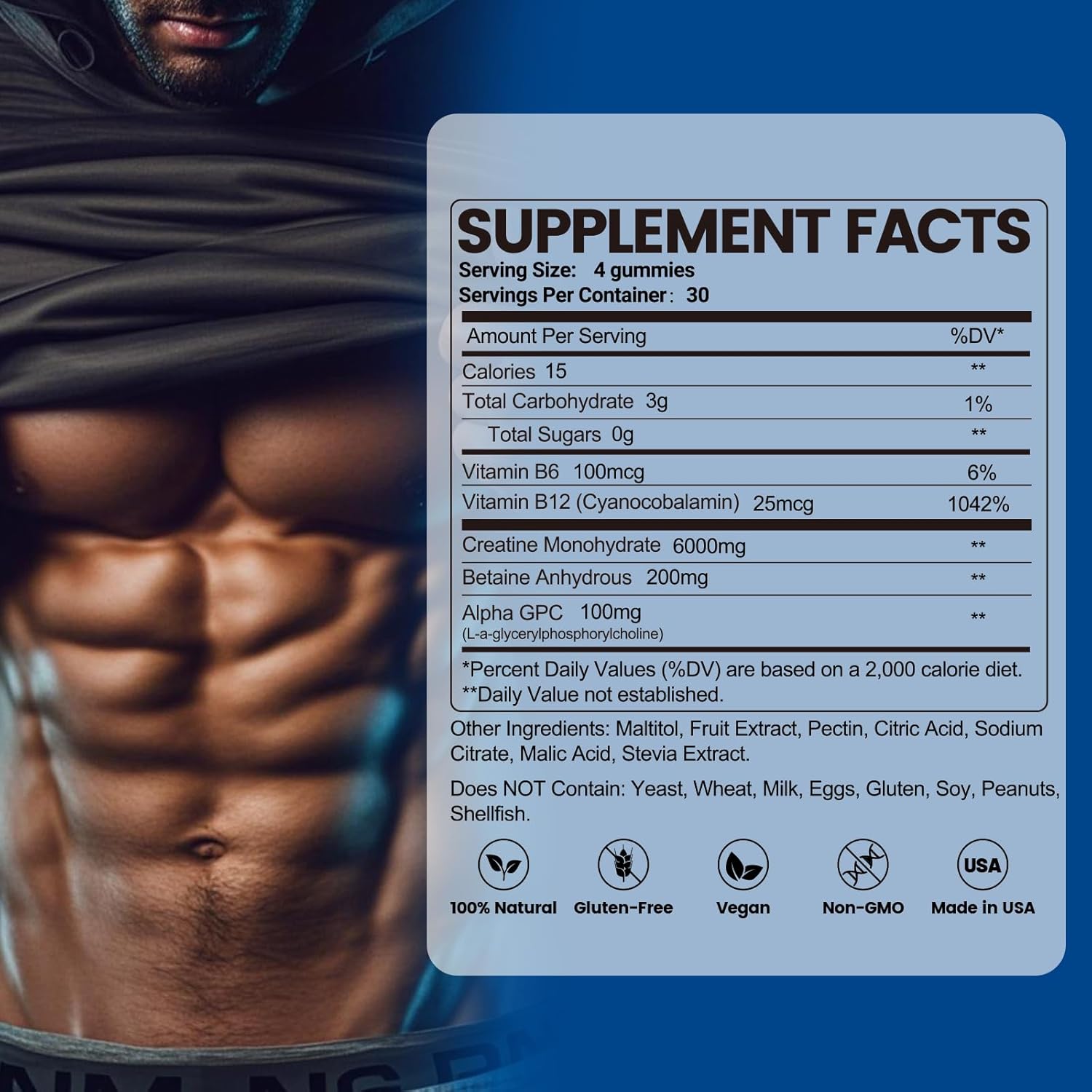
Do not assume that a product's total serving weight equals its creatine monohydrate content. This is especially important when comparing gummies, powders, and multi-ingredient blends. Check the Supplement Facts panel for the actual amount of creatine monohydrate per serving.
People with kidney disease, complex medical conditions, or medications that may affect kidney function should consult their healthcare professional before starting supplementation.
A practical way to think about creatine and aging
I like the idea of looking at creatine through the lens of capability rather than appearance. The goal is not simply to build bigger muscles. It is to support the strength and physical capacity that make daily life easier and more enjoyable.
For some people, creatine monohydrate may be a useful addition to regular resistance training. For others, it may not be necessary. Either way, the basics remain the same: keep moving, train within your abilities, eat enough, recover well, and choose supplements carefully.
If you are exploring a convenient creatine option, you can review inGreens Creatine Monohydrate Gummies. Read the label to confirm the actual creatine monohydrate amount per serving and decide whether it fits your routine.
Healthy aging is built through everyday habits. Creatine may have a supporting role, but the real foundation is staying active and keeping strength in your life.